Europe: Yours Concerned

tue-b3-rohac-tattered-flag-gg

In a few weeks time Britain will go to the polls to vote in the European referendum. As disciples of Christ, called to live out the gospel by the values of God’s kingdom, it is imperative that we think and pray about the issues facing society, including those that the Referendum raises.

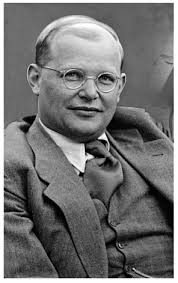
I have for many years had an interest in Europe and have enjoyed the opportunity and privilege of travelling extensively throughout the Continent, not least through my work as one of the leaders of the Northumbria Community. It is through reading, travelling, meeting and many conversations with friends and associates across the continent, both in the East and in the West, that I carry a real concern for Europe at this time. I have also been influenced and inspired by the German pastor and theologian Dietrich Bonhoeffer, whose writings have informed us as a community and many others exploring what it means to live faithfully as disciples of Christ in a changing world. Bonhoeffer, observing happenings in his native Germany in the 1930s became increasingly disturbed by the trends, attitudes and policies that were being taken, notably under the rise of Hitler and the Third Reich.

images-1

Like Bonhoeffer I carry similar concerns for what I see happening across Europe and particularly here in Britain, where I fear that our attitudes and actions may potentially fuel the fires of nationalism and contribute to the fragmentation and breakup of relationships across the continent that will lead inevitably to conflict and war. What follows is unapologetically long and I guess will only appeal to those who see the seriousness of what is happening with the Referendum. For others, wait for the next blog, which will not be as long. I have engaged in lots of conversations and been asked to speak on a few of occasions about the Referendum and in order to do the subject justice, I have spent a good deal of time praying, reading and reflecting and what follows is some of my findings: I am incredibly disappointed by the lead that politicians of all parties have given on the debate that we should be having about the Referendum. It seems as though everything hinges on economics and how better or worse off financially and materially we will be if we stay in or leave the EU. Economics governs and influences so much of life but I believe there are greater and more significant questions to ask, such as, what kind of nation, continent, society do we want to be. What values do we want to build civic society upon? What legacy of civilisation do we want to bequeath to our children and our children’s children? These things seem absent from the current debate. When the current debate is regarded as simply a matter of economic and political issues we need to be reminded that Europe is so much more. Europe is not just a political creation or economic entity. As the historian Christopher Dawson wrote: Europe is a society of peoples who shared the same faith and the same moral values. The European nations are parts of a wider spiritual society, and it is only by studying the nature of the whole, that we can understand the functions of the parts.

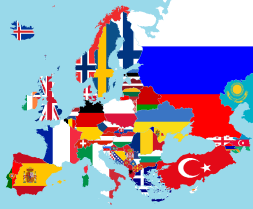
It is a historic cultural reality that Europe has emerged from the idea of Christendom, a culture or assembly of cultures rooted in the Judaeo-Christian values. The term ‘Europe’ derives its origins from the ancient Greek historian Herodotus and while there’s no doubt that pre-Christian civilisations, like the Greek and Roman Empire contributed to Europe’s intellectual, cultural and political inheritance, it was Christianity which brought together the disparate tribes of Europe. It was the Christian faith that provided the foundation and a worldview that paved the way for the pursuit of unity and democracy across the continent. European Christendom in the Middle Ages provided the historical ‘matrix’ from which separate ‘elements’ or nation states arose.
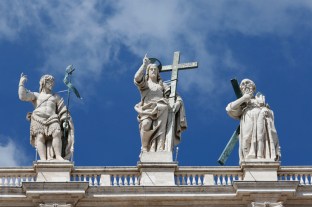
Europe_flags           Christian-Europe

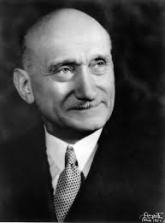
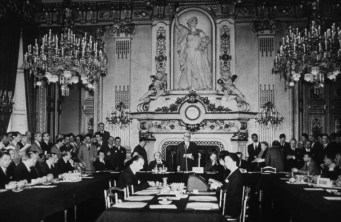
It was appreciating that these European foundations were essentially Christian that inspired the founding fathers of the European Union. Most people, including the majority of Christians, have no idea that the European Union was founded by Christians. A key figure was the Luxembourg born French statesman Robert Schuman. He was a Christian Democrat, an independent political thinker and activist. He served office twice as the Prime Minister of France, as Minister of Finance and also as its Foreign Minister. He was instrumental in building post-war European and transatlantic relationships and was involved in establishing things like the Council of Europe, NATO and principally the European Union. Together with other Christian statesman; Konrad Adenauer, Chancellor of post-war Germany and Alcide di Gasperi the Prime Minister of Italy, they laid the foundations of the EU. With the horrific experience of two world wars they appealed to the recovery of Europe’s Christian roots. The context for what was to be known as the Schumann Declaration, was the aftermath of the Second World War. Following the deaths of millions of people and the devastation of a continent wracked by war, the climate was one of hatred, bitterness, mistrust and suspicion, following Hitler’s defeat. Germany had been defeated but the task of rebuilding a devastated and divided Europe now presented itself. How was it to be done and upon what foundations and with whose values? What could be put in place, not only to secure peace and begin a rebuilding process but something that would break the seemingly inevitable cycles of conflict and war among European Nations? A small committed group of statesman, who shared common values, the majority of whom were Christians, laid the essential foundations for Europe’s future. They believed that a renewal of Christian values in a way fully compatible with modern democracy, personal freedoms and human rights could be a great force for healing the self-inflicted wounds of a battered war torn continent. Highly respected and known for his integrity and humility was Schuman. A devout Catholic, in May 1950, he proposed a bold plan to bring together the people of Europe in peace and solidarity.

We are called to bethink ourselves of the Christian basics of Europe by forming a democratic model of governance which through reconciliation develops into a community of peoples in freedom, equality, solidarity and peace and which is deeply rooted in Christian basic valuesSchuman Declaration

images  111.declaration_schuman_PE_01

In the current debate on the European referendum, this remarkable, visionary declaration, which paved the way for the founding of the European Union, is forgotten. Schuman believed that the Judaeo-Christian values which had laid the original foundations for Europe during the first millennium of the Christian era, notably through the influence of Celtic monks and missionaries, provided the inspiration for the shaping of modern Europe after the Second World War. Decades of attempts to reshape Europe with secular rationalism, nationalism and fascism had confirmed his conviction that Europe’s future depended on the recovery of Christian values which would shape political and economic realities. Europe, in defeating Hitler and his fascist worldview was facing another threat, the emerging strength of communism with the Soviet Union in empirical mode. A third world war was a frightening prospect. Europe needed to stand together against the potent threat of the Soviet Union.

The peace and prosperity of Europe since the Second World War is not simply the consequence of Hitler’s downfall but I believe, it came about through Schumann’s declaration and the founding of the European Union, together with the incredible generosity of American economic aid through the Marshall plan and the trans–Atlantic partnership of NATO. Thank God for the generosity of the United States to Europe following the Second World War. It was interesting to hear Barack Obama last week when he was over here in England, now a ‘free man’, able to speak his mind, warning Britain, not only of the economic consequences but the damage to European nations and also how transatlantic relations would suffer, should Britain leave the EU. Mindful of the horrors of the Second World War, in which thousands of Americans lost their lives helping Britain and its allies defeat Hitler, America saw that Europe was on the brink of economic collapse Industrial capacity had been wiped out. Trade had ceased. People were starving, many were destitute and given such struggles were liable to turn to communism. America, seeing the potential damage to Europe from communism, gave aid and strengthened the recovery of the continent. The 1953 London Conference together with the Marshall plan saw the burden of debt lifted and what today would be over $150 billion of American aid poured in to rebuild economic capacity, enabling countries throughout Europe to trade with each other and stand firm together against the threat from Stalin’s Soviet Union.

The Marshall plan and NATO emerged in the late 1940s following the war and helped to propel Europe towards peace and prosperity but were able to do so because of the moral climate of forgiveness, reconciliation and cooperation that Schuman and his Christian colleagues created with the establishing of the European Union. Another of the architects of the European Union, Jean Monnet declared at an early stage that, we are not forming coalitions between states, but unity among peoples. The aim of the Union was to make future wars between member states impossible by eliminating competition for natural resources through the common market, and bringing about mutually beneficial economic relationships. Later on, the monetary union, the creation of the Euro was designed to make this even easier and bring members closer together still. The flow of money from one country to another was supposed to be used as a kind of social glue to align the interests of members and prevent future tensions erupting. To these ends, the EU’s single market aims to guarantee ‘four freedoms’ between its 28 member states:Freedom of movement, for people to live, work, study and travel without restriction.Free of movement of capital to facilitate investment between member countries. Free movement of services, enabling the cross-border delivery of services. Free movement of goods, with no internal customs barriers and common customs policy towards other countries.

Britain’s involvement in the European Community has always been controversial. Ever since closer integration was first proposed it has been a source of contention. Britain declined membership of the EEC when it was first formed in 1957 but eventually joined in 1973. A referendum in 1975 showed an overwhelming, 67% of the electorate approving our membership.  Scepticism grew in the 1980s under Margaret Thatcher and increased further with the Maastricht Treaty in 1992 under John Major. It was this treaty that brought about closer integration and the handing over of some substantial powers to the new European Union, despite concessions being granted to the UK to keep the pound. From 1997 Tony Blair sought closer integration still, though with a stronger economy, wider support for joining the Euro was limited. Bitter divisions have ensued in recent years, most recently being brought to the surface by the euro crisis. The current climate of suspicion, mistrust and bitter divisions has provided the context for the rise of Eurosceptic parties like UKIP here in Britain and their counterparts, mainly of the far right and a few to the far left politically, across the Continent.

The Vote Leave campaign raises the issue of money that the UK pays for its EU membership and the potential benefits of recovering that if we were to leave stop it is said that we will regain control and the money that we spend can be better spent on our own priorities as a nation, e.g. the NHS.European bureaucracy is commonly cited is costly and time-consuming, over yielding in its demands and unnecessary rules and regulations. Anti-EU arguments include; saving money spent on membership of the EU, freedom from red tape, bureaucracy and over regulation and the ability to control our own borders and prevent unlimited immigration.

The Britain Stronger in Europe campaign on the other hand, maintain that our economic prospects and prosperity are more secure by staying in the EU. Richard Branson, the business magnate says: Being part of Europe means that we are part of one of the biggest trading blocs in the world. So the bottom line is we are much stronger being part of Europe than being an island to ourselves. It is said that the benefits of being ‘in’ are about a stronger economy, stronger security, stronger leadership and greater influence on the world stage. Other pro EU campaigners argue that issues of national defence and fighting organised crime are better addressed as part of a larger body, rather than in isolation. Leaving the EU could “undermine our ability to protect ourselves,” two former senior British intelligence officers have said. Former MI6 head Sir John Sawyers and Lord Evans, who ran MI5 until 2013, argued the EU is essential for sharing data and counter-terrorism, which they describe as a “team game”. Writing in the Sunday Times, the intelligence chiefs claim Brexit could precipitate “instability on the Continent”, worsening the existing “economic difficulties, the migration crisis and a resurgent Russia“.

20121020_BRD001_0

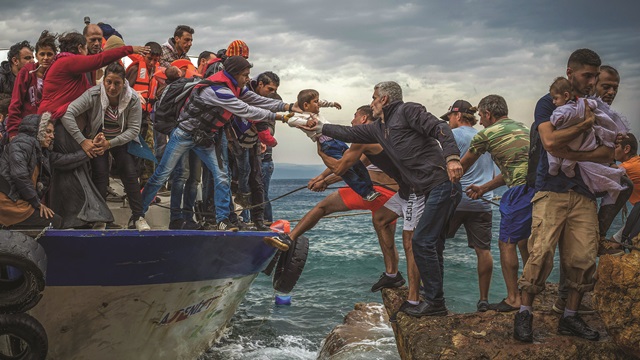
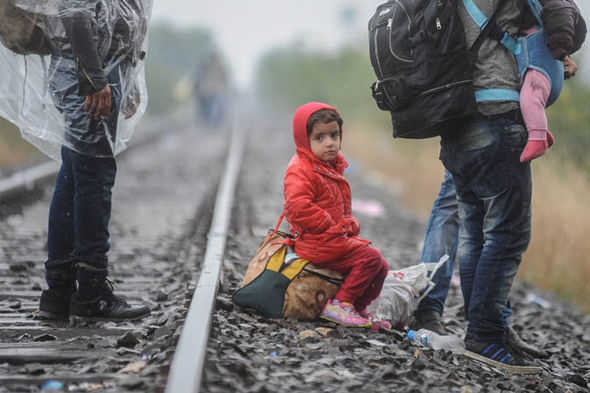
Overlapping but distinct from monetary issues is the question of immigration. Critics argue that the free movement of people within the EU has led to unsustainable levels of immigration. Brexit campaigners say that the only way to regain control of our borders is for Britain to leave the EU. There is no doubt that the European refugee crisis has brought new attention to this issue. Hundreds of thousands of undocumented migrants have crossed into Europe in the last two years, a large proportion from war-torn Syria, Eritrea and Afghanistan. This has put considerable pressures upon the European Union. The European Parliament has voted in favour of a quota system that distributes asylum seekers fairly across all the member states. The migrant crisis is a highly emotive issue and has always formed a key part of the argument against EU membership.

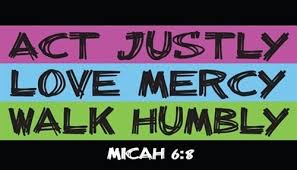
The migrant crisis has revealed what values truly drive our political leaders and the governments of European nations. I have written in my previous blog, whilst travelling in Belgium and the Netherlands about the different responses that have been made and my being both ashamed and appalled by my own governments attitude in response to the refugee crisis. The Bible says little about border controls or immigration but it does say a lot about migrants and refugees. Where we tend to categorise migrants and refugees in terms of their reason for entry; work, study, family connections or seeking asylum, the Bible looks at the issue from the point of view of need and intention. There are broadly only two categories of migrant found in the Bible: the ger and the nokri. The ger is typically described as someone who lives on the edges of society, potentially marginalised and vulnerable. They may broadly correspond to today’s refugee or low-paid economic migrant. They are people who have no family or land of their own, who live hand-to-mouth and are reliant on the goodwill of native Israelites. They are frequently mentioned alongside other marginalised and homeless exiles who need extra protection. He has shown you what is good. What does the Lord require of you? To act justly, to love mercy and to walk humbly with your God, (Micah 6:8).
images-1

Do not oppress the widow or the fatherless, the foreigner or the poor. Do not plot evil against each other, (Zechariah 7:9-10). The ger was generally willing to integrate into Israeli life, and in almost every respect was to be treated the same as a native Israelite, (Leviticus 19:34). The Israelites were constantly reminded to look after the alien and stranger in their midst, remembering that they were once foreigners in Egypt’ (Exodus 22:21).

Then there was the nokri, someone who was culturally and financially independent, whose allegiances lay outside of Israel and who potentially represented a threat to its culture and religion. There are numerous warnings about nokri people and their ‘gods’ leading the Israelites astray, often in combination, as was the case with Solomon’s many foreign wives (1 Kings 11). The Bible is far more wary of the nokri, for these reasons, though welcomes those who genuinely want to become a part of Israel, particularly after the exile. Analogous groups today might include the higher-paid and temporary economic migrant, those who refuse to integrate in any meaningful way, and arguably even wealthy individuals and corporations who domicile themselves outside of the UK to avoid paying tax. It would to my mind, include many of the Russian, Chinese, Indian and other foreign influences and investors, who certainly do not adhere or care about the values that have shaped Europe, the Judaeo-Christian tradition that has shaped the European Continent.

Whilst the present discussions tend to focus on the economic benefits, or otherwise, of allowing different categories of migrants into the country, the Bible is more concerned about whether someone from another country is willing to integrate with Israelite culture and religion and whether they are a threat to the country’s identity. It is also concerned to ensure that the poor and vulnerable are protected, rather than those who are already able to help themselves.                                                                                                                                    Again there is an irony in that those who want us to come out of the EU will probably open the floodgates to more unregulated foreign influences that will more seriously erode any British values.

I was asked to speak at a session during a recent denominational assembly on the subject of the European Referendum, during which I shared some of the biblical insights on the issues it raises. The Bible has a lot to say about the concentration of political and financial power. It also sheds light on the debate about centralisation and subsidiarity.

The Bible warns of the dangers of centralised power. The epitome of this is seen in the story of Egypt, under whose highly centralised and bureaucratic rule, the Israelites spent many years in slavery. Centralised power almost inevitably is distant, unaccountable and can lead to misunderstanding, injustices and abuse. I see this played out in our own British democracy. Government, led by the ‘Westminster set’, are to my mind, oblivious or insensitive to the needs of the vast majority of people in the regions. I have been back and forth to London over the last couple of months and people look at me incredulously when I say that most property prices in the north-east have remained static or have fallen over the last 10 years. I live in a beautiful place but businesses on are high street are going to the wall, redundancies are common place and the impact of government cutbacks and austerity measures are felt keenly and adversely affect thousands of people, who are mainly unnoticed and uncared for. Government, when it is removed from the realities of the ordinary people whom it serves, because it is distant, inevitably leads to poor consequences.

The risks inherent in any concentration of power meant that the people of Israel were commanded to take a different approach in their own political structures. After they had been rescued from their slavery in Egypt and they entered the Promised land, Israel existed as a loose confederation of tribes, which operated fairly independently and came together under the leadership of an individual only when circumstances demanded it, such as times of war. It’s salutary to be reminded that when Israel demanded a king so that they would have a leader like the surrounding nations, this was considered a rejection of God’s authority and a development that would pave the way for higher taxes, conscription and servitude, (1 Samuel 8). Instead of a centralised top-down government that was seen in Egypt and Assyria, the Bible reflects the idea that decisions should be taken at the lowest, most local level possible. Decisions should be taken by those who are affected by them, by people who understand their context best. Decisions were only passed up to a higher, more central authority if they could not be better addressed at a lower level.

The idea of subsidiarity is found in Catholic social teaching which reflects that biblical approach to government as one as large as necessary, as small as possible.

The principal of subsidiarity is built into the EU. It is established in article 5 of the Treaty of the European Union: Under the principle of subsidiarity, in areas which do not fall within its exclusive competence, the Union shall act only if and in so far as the objectives of the proposed action cannot be sufficiently achieved by the Member States, either at central level or at regional and local level, but can rather, by reason of the scale or effects of the proposed action, be better achieved at Union level. What has happened however and which is contributed to arguably the most contentious aspect of the U.K.’s relationship with Europe has been the transference of increasing powers to the European Union and Brussels. This is seen as undermining of Britain’s sovereignty and it’s argued, the ability for us in the UK to make decisions which reflect our own national interests. A common complaint is that the legislation that comes out of Brussels imposes significant burdens on UK citizens and businesses. I recognise this but think it is foolish to suggest that coming out of the EU would deliver us from burdening bureaucracy. We have become so bureaucratic, attributed as much by the poisonous and pervasive litigation culture that has come come not from Europe but from America. We are ruled in issues of governence now by fear, mistrust and suspicion and so many of the policies and practices in the workplace and society generally are determined by having to protect against someone suing you.                                                                        Thank God we don’t have the right to bear arms year in the UK so we haven’t resorted to resolving conflict by shooting people but we’ve certainly bought into the litigation, ‘I’ll sue you’ culture from the States. In the debate about subsidiarity, the risk of undermining each country’s autonomy can be seen most clearly in the recent experience of Greece. The terms of the bailout which has allowed Greece to avoid bankruptcy and remain in the EU has been decreed by the European Union. Conditions imposed upon Greece that were not agreed by the Greek people or its leaders but by EU officials and creditors.

There was a deep irony being played out in the negotiations and history was forgotten. How ironic that it was Greece who helped post-war Germany to recover economically and was now being crippled by Germany and other EU nations. Surely what was good for Germany in 1953 should have been good for Greece in 2015, i.e. debt relief and financial investment not crippling bailout measures. The Greek finance minister at the London Conference of 1953 signed a treaty agreeing to cancel 50% of Germany’s debt. A biblical perspective on the issue of debt was in part realised at this time; that any loans granted was supposed to be made without interest, (Deuteronomy 23:19) because the express purpose of the loan was to enable economic independence, which allowed the recipient to get back on their feet stop the creditor was not supposed to profit financially from the arrangements. Wow, is that so different from the current practices of the money markets! Charging interest was seen as a form of injustice, a way that the rich extract money from the already poor. The rich rule over the poor and the borrower is slave to the lender, Proverbs 22:7 and the text reminds us that debt almost inevitably involves a relationship of power and is a challenge to remember that in God’s eyes there are obligations on the lender as well as the borrower in any loan transaction.

Greater and closer the integration with Europe has led to member countries feeling they are unable to determine their own laws and policies. This is a real and valid concern as the centralisation of power leads to distant, detached decision-making at best. At worst, it is to dominant and coercive and harmful to those who it is supposed to serve. This accusation could certainly be levelled against some of the EU legislation, as it could some of the policies that have been imposed by our own Government.

Brexit campaigners argue that by coming out of the EU it will enable us to regain our sovereignty. That I believe is pure fantasy. As a nation, with the encouragement of successive governments, we have already given away our sovereignty to a whole variety of external powers, including the EU, over many years. Huge, foreign-owned multinationals determine levels of investment and jobs in this country as a consequence of decades of British nationalised tuitions and businesses being privatised or sold to the highest bidder. Think of all the public utilities, water, gas and electricity, once owned by the British public, just as, coal mines, steelworks, railways and other means of public transport were nationalised. Under Margaret Thatcher and the dogma that drove her government’s policies, the country’s public utilities, together with giving people the right to buy publicly owned council houses, were sold off in the pursuit of privatisation, deregulation and the notion of a free-market economy was let loose. Thatcherite policies allied to the and the determination to demolish the power of trade unionism, whose abusive powers and behaviour in the late 1970’s gave the perfect excuse for them to be taken on and defeated in the 1980s, raised funds for the British economy but in so doing eroded any sense of subsidiarity and sovereignty.

I found it a deep irony that during the Union Jack, flag-waving euphoria and the singing of Rule Britannia that accompanied the celebrations following our defeat of the Argentinians in the Falklands war, that at the same time, the UK government was quite prepared to sell off the country silver to foreign buyers. It is big business, foreign investors, the money markets that influence and determine so much of our life and work in Britain. Foreign companies acquired over £70billion worth of British enterprises in 2014. Under Margaret Thatcher’s Government, legislation made it easier for foreign investors to snap up British companies. It won’t be long before the vast majority of the British working public will be working for foreign companies. We are prey to overseas predators, whose money is welcomed but whose values are never questioned . The removal of regulations on overseas investment by former Tory Chancellor Geoffrey Howe in 1979 has ushered in an era of British companies being sold off with little or no restraint. A raft of restrictive old practices in the City of London have been cast aside over the past thirty years allowing foreign banks to flood into the City and exert unchecked pressure and influence, far more undemocratic than those posed by us being in the EU.

0824662e-2ff2-4619-9e0a-101187a36f26

Take for example the situation last year when Ed Miliband proposed a freeze on gas and electricity bills for every home and business in the UK for 20 months if he won the election, cutting annual bills by £120 a year on average. The media went ballistic, they saw it as ‘state intervention’ in the free-market economy. Foreign owners and shareholders of utility companies waged war on Miliband and his proposals, lobbied the government, threatened and cajoled and were given guarantees that such a proposal would not feature in any Conservative manifesto. And who are these utility companies owned by? Americans, French and other nationalities, with many of their shareholders having little or no interest in how Britain is doing as a nation. What matters to them are profits and a return on their investment. Take for example Northumbria Water. It sounds lovely doesn’t? ‘Northumbria Water’. It sounds nice and local but when you pay the bill you may be surprised to learn that the profits leach away to the other side of the world. Like nearly every other one of our public utilities, it is foreign-owned. Northumbria Water is owned by the Hong Kong-based billionaire Li Ka-Shing, one of the richest men in the world, who has made more than £630 million profit in the last two years. He also owns Superdrug and the 3 mobile network. The idea that coming out of Europe will regain our sovereignty and our ability to determine our own affairs is ludicrous. The UK government provides a free market environment which has sold off our own natural resources and the deregulation and legal and financial loopholes that we continue to allow and in some ways encourage people like Li Ka-Shing to be able to operate their companies like Northumbria Water and pay less than 10% corporation tax. It is scandalous. It is wicked and promotes and rewards the rich at the expense of the poor. Where now is the voice of the prophet Amos, who in God’s name would have utterly denounced such practices?

It is an illusion to believe that leaving Europe will somehow restore national sovereignty when our utilities, including our energy security is largely dependent on French and Chinese governments deciding whether or not things like nuclear power stations are built. British steel’s future is determined by Indian entrepreneurs and German and Japanese companies will decide the long term health of our car manufacturing industries. Decades of privatisation of the public sector has seen outsourcing contracts, (look at what’s happening currently in the NHS) to US Corporations. American companies have staff living, working, lobbying government and courting health executives here in the UK, ready to invest and offer ‘improvements’ to the NHS. Of course they are not interested in the nonprofitable areas of healthcare. They are working for shareholders, for whom profit is the critical thing. These things are a much greater threat to British sovereignty than EU regulations and bureaucracy.

There is also the issue of the escalating and damaging problem of housing, particularly in London and the south-east. So many properties in central London are now owned by Russians, Chinese and Saudi Arabians. Vast tracts of land throughout Britain are being bought by the Chinese. How ridiculous to think that the EU and migrant workers are a threat to British sovereignty when under our noses we have thrown open the doors to nations whose values and ways of life and work are so alien to the European values that are rooted in Christendom. The power and influence of US corporations, China, India and Russia will not be diminished by coming out of the EU. Nor will the government find itself in a stronger position to persuade anyone to pay a fair contribution towards our civil society through taxation. Ironically, it is the EU that has taken measures to try and stop our markets being flooded by cheap and inferior imports from China. Legislation worked on by the ‘bureaucrats’ in Brussels, at the instigation of elected members of the European Parliament, legislation, that our own UK government has chosen to ignore. So much for being dictated to. A bit of protectionist policy on foreign imports proposed by the EU might have helped to prevent the closure of steel works on Teesside and remove the cloud of uncertainty that hangs over Port Talbot and Scunthorpe. We have exported our sovereignty worldwide through globalisation since the 1980s. As one commentator has put it; The Brexit illusion but fog in the channel will cut off the continent from the mainland will do nothing to change that reality.

A Unease over Referendums
Stimmzettel-Anschluss

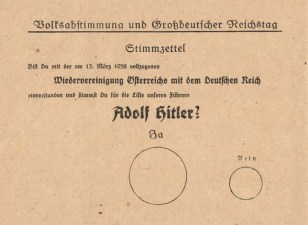
I confess also that I have a great unease about the use of referendums. Historians, political analysts and psephologists (people who study and analyse elections) know only too well that Goebbels and Hitler used referendums to shape public opinion in Germany in the 1930s. It was Josef Goebbels who said that, the most effective form of persuasion is when you are not aware you are being persuaded.

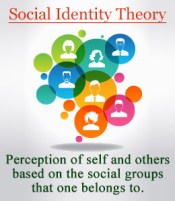
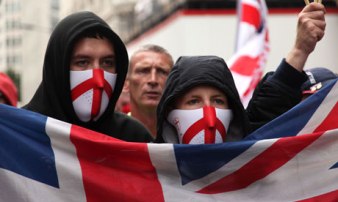
I am fascinated and intrigued by Social Identity Theory. This relates to a person’s sense of who they are based on their affiliation with a group. The theory was put forward by the psychologist Henry Tajfel, who was best known for his pioneering work on prejudice and social identity. He highlighted the idea that people gain their sense of identity and self-esteem from the groups that they associated with. e.g. social class, family, football team, church, etc. Such groups give a sense of social identity, a sense of belonging to the social world. He said that we increase our self-image by enhancing the status of the group to which we belong. So, when I go to watch Middlesbrough play football and we are doing well, I will often hear the crowd singing, “We’re the finest team in football, the world has ever seen” (how deluded can you get!). More seriously, we can increase our self-image by enhancing the status of our nation, “Britain is the best in the world“. If you take that on board then consciously and unconsciously we start discriminating and holding prejudicial views against others, that is, the group we don’t belong to. For example, think of some of the things that some Brits say about the French, or Scots say about the English and vice versa. What particularly concerns me and I listen or observe it nearly every day in the run-up to the European referendum is the anti-European language and attitudes that are being expressed, against the Germans, French, Brussels, the bureaucrats. ‘We are British‘ and what I sense is a powerful and very persuasive mixing up of what it means to be patriotic and nationalistic. I think what often gets confused is patriotism and nationalism. I am quite patriotic, (well actually I am quite confused about who I should be shouting for when the Home Nations play one another in the rugby, with historic family allegiances coming from three different nations!) but being patriotic is different from being nationalistic. It is I believe possible to be patriotic and not nationalist.
611983-2283-27  1-british-nationalism

Social identity theory observes the power of creating self-esteem and identity by enhancing the status of the group to which we belong. It inevitably leads to a sectarian attitude of, “us” and “them”. We categorise people. It is known as the in-group (us) and out-group (them). Social identity theory states that the in group will discriminate against the out group to enhance their self-image. This is what is going on in Britain currently. The central hypothesis of social identity theory is that those who belong to the in group will seek to find negative aspects of an out group, thus enhancing their self-image. The attitudes and language, now permeating the conversations and discussions and debates about the Referendum are creating prejudiced views which feed racism, breeds sectarianism, nurtures division and fosters suspicion, mistrust, fear, conflict and provides the context for violence and war.

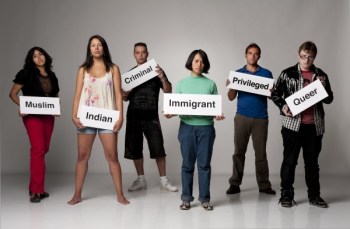
Tajfel said that by stereotyping, (putting people into groups and categories) is based on normal cognitive processes, the tendency to group things together. By doing so we tend to exaggerate the differences between groups and the similarities of things in the same group. The consequence of such cognitive behaviour is that we see the group to which we belong, (the in-group) as being different from the others, (the out-group) and the members of the same group as being more similar than they are. Inevitably it leads to ‘us’ and ‘them’ mentality. Think about some of the examples of in-groups and out-groups: Northern Ireland – Catholics and Protestants, Republicans and Loyalists. Rwanda – Hutus and Tutsis. Yugoslavia – the Bosnians and the Serbs. Football – Newcastle and Sunderland, Man Utd and Man City, Celtic and Rangers. Social class – working class and middle class. Germany – Jews and the Nazis.
US-AND-THEM  UsThem1-hi-photo-credit-David-Cooper1-600x394

Tajfel suggested that there were three mental processes involved in evaluating others as ‘us’ or ‘them’. The first thing that we do is categorise: just as we categorise objects and things in order to understand and identify them, in a similar way we categorise people, including ourselves, in order to understand the social environment. So social categories like black, white, Christian, Muslim, footballer, accountant; are all terms that are used because they are useful. If we can assign people to a category then it gives us some clues about those people. If we know that somebody is an airline pilot, it gives us some understanding of who they are and what they do. Similarly, we can derive our identity by knowing what categories we belong to and much of our behaviour is influencing conditioned by belonging to such groups.

In the 2nd stage, social identification, we adopt the identity of the group we have categorised ourselves as belonging to. So for example, if you have categorised yourself as a football fan, the chances are you will adopt the identity of that group and begin to act in ways and have attitudes that conform to the groups identity and patterns of behaviour. Your self esteem is bound up with belonging to that group.

The final stage is social comparison. Having categorised ourselves as part of a group, if our self-esteem is to be maintained, our group needs to compare favourably with any other group. This is critical to understanding prejudice, because once 2 groups identify themselves as rivals, they are forced to compete in order for the members to maintain their self-esteem. Competition inevitably leads to hostility between groups as they compete for place or resources. A fascinating psychological insight comes from realistic conflict theory which illustrates the conflict that occurs when two groups are in competition for limited resources. And we can see this being played out in the debate on the European referendum. We, must control our own borders, keep migrant workers, refugees and asylum seekers out. “They will threaten our resources“, “They will take our jobs“, etc Inevitably, such language fuels the attitudes behind them and leads to discrimination.

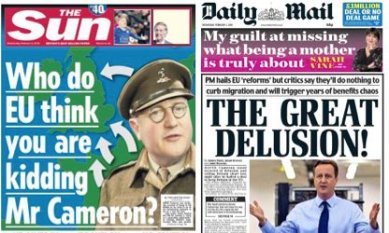
This is what’s going on and I fear that what we are seeing in the consciousness of the general public here in Britain will reap a harvest of destruction across the continent. As troubling as the sectarian, subtle racism and emerging nationalism that is emerging, is the power and influence of the media that is weighing in heavily on the Brexit side. Behind most of the newspapers and TV channels, are media moguls, who are determining editorial policies, whose interests lie in Britain coming out of the EU. Make no mistake, the press will play a vital and deciding role in the EU referendum result. The British press is dominated by Eurosceptics. I saw this abundantly evident in 2012 when the EU was awarded the Nobel Peace Prize in recognition for advancing the causes of peace, reconciliation, democracy and human rights in Europe over 60 years. Most of the British media didn’t even report the news! Of course not. It is not what anti-European, press barons and media moguls want the British public to hear about. We are served a daily diet of negative coverage about the EU. Rarely can you read or hear about any of the positive things that the European Union is doing to benefit Britain on issues of peace, security, human rights, democracy, the environment, trade and the rule of law. Newspaper headlines are on the whole very anti EU and use patriotic phrases that cleverly deploy and engender nationalist feelings and perpetrate anti-European attitudes. And of course most people are informed consciously or unconsciously by what they read, see or hear from the media.
416 DExpress

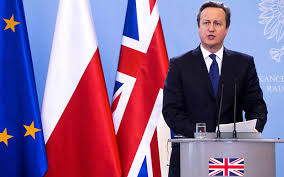
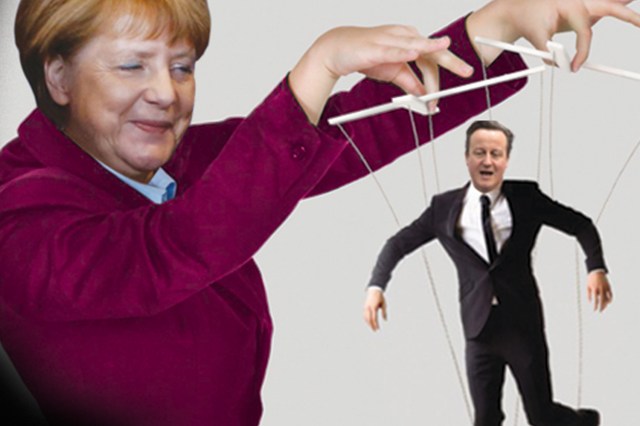
And that’s why it is so difficult for us to be properly informed about the issues. Yesterday for example we saw The Sun newspaper depicted an image of Angela Merkel with David Cameron as his puppet with the headline, Germany SABOTAGED David Cameron’s EU renegotiation and he let them, IDS sensationally claims. The Sun, together with another anti Euro paper, The Daily Mail, are the most popular newspapers in Britain, which in itself is both revealing and very sad.

I listened to the interview on the Today at One programme with a German member of the European Parliament being interviewed on the issue, where he challenged Iain Duncan Smith, refuting the ‘ridiculous’ claim that was being made by the former Cabinet office Minister. IDS declined the invitation to respond or to be interviewed by Martha Karney, the programme’s presenter. The myth was not able to be defended and the damage had been done, and a largely unthinking public had been fed the perception from the morning newspaper headline that David Cameron is indeed just a puppet of the German chancellor.
cammerkel_2853594a

Another example of media influence is the continuous drip feed about the terrible bureaucracy of the European Union and the waste of money that is spent on bureaucrats in Brussels. Well, here’s a fact that might be of surprise: the total size of the European bureaucracy is about exactly the same size as the number of people employed by Derbyshire County Council. According to the office of National Statistics, currently, Derbyshire County Council employs 36, 519 public sector employees. This compares to the 33,000 employed by the European Commission. I think most people being presented with those figures would be surprised, given the angle and slant that the media is taken to deceive and influence public opinion on the issue of bureaucracy.

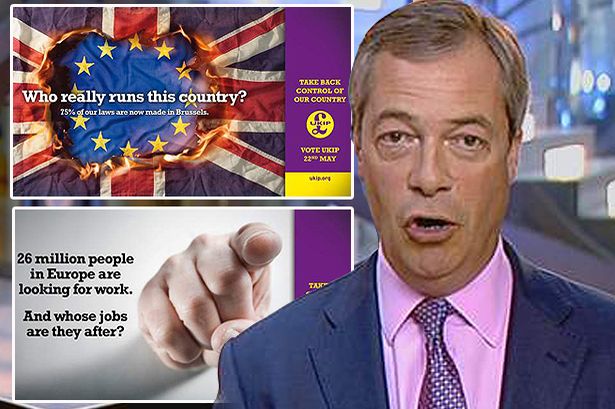
The media absolutely love Nigel Farage.
UKIP-main

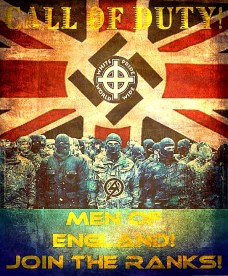
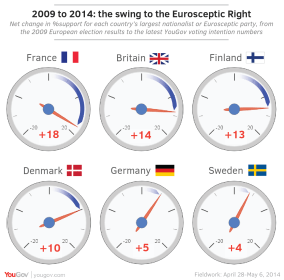
He is given so much more airtime and press coverage than other Opposition leaders. He isn’t even an elected member of Parliament. He represents UKIP, a political party that only has one MP in Westminster. Labour, Liberal Democrats, Plaid Cymru, the Green Party, the SNP, the DUP and Sinn Fein, when do we hear anything of their views on Europe? We hear them but not as clearly and repeatedly as those articulated by Farage. He is a brilliant communicator, a remarkably persuasive political figure. He can influence and persuade an audience with great ability. You can see this played out time and time again on the radio and TV. He is a remarkable orator; so was Oswald Mosley! Mosley was described as a ‘brilliant orator’ possessing extreme self-confidence, whose persuasive rhetoric often lead crowds singing, ‘for he’s a jolly good fellow‘ having been won over by his presence and eloquence in the 1930’s. Poisonous, damaging and very dangerous, as I believe Farage is. There are nasty xenophobic elements within UKIP, which is becoming a potent force in British politics. Allied to the remarkable growth and ascendency of the SNP in Scotland, nationalist attitudes are spreading throughout the UK. You have to hand it to the SNP, they have been brilliant in capturing the hearts of the Scottish public, demolishing Labour. They have done it with a mixture of opportunism, strategic thinking, brilliant marketing and utilising social media to great effect. They are an extremely well disciplined political party, everybody is ‘online’ and woe betide anyone who steps out of line or utters a voice of dissent. It’s not all sweetness and smiles within the rank and file of the party; there is more than a fair degree of coercion and being held in line by the powers that be.     I believe that we are witnessing a phenominal growth of nationalism and tribalism across Europe and were we to exit the EU, the result would be celebrated by parties on the extreme right and left across the Continent. Marine Le Pen and the national Front in France in France, Geert Wilders and his Pff in Holland, the AfD in Germany, all extreme right wing parties will hail a Brexit victory as good news. So will President Putin in Russia. It is within Russia’s interest to see Europe fragment. All the while we are engaging in disputes and falling out with our European partners, Putin is assembling nuclear warheads, flexing his military muscles in the war in Syria and strengthening his military might for the future. A frightening prospect. The thought of Putin continuing to rule Russia, a return to patterns of behaviour witnessed in the Cold War years and a President Trump in the White House and we will be seeing books and films depicting Armageddon!
step0001   YouGovEPGraphics-01

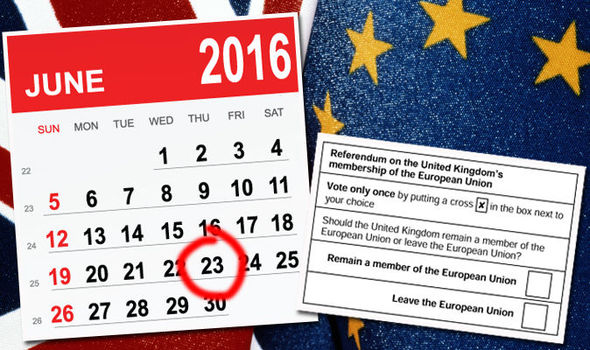
The Referendum throws up so many issues that are deeply concerning which should cause us to pray and think deeply as we go into the polling stations on June 23rd. We need to think seriously about these issues ask ourselves why we are voting the way we will. Is it for self-interest? Out of national interest? European interest? Global interest? Will our vote make the world a better place? What will my vote mean for my children and grandchildren, for the generations who will have to live with the consequences of my vote in the European Referendum.
When-is-the-EU-referendum-640853

It’s pretty obvious that I will be voting to stay in the EU. Not that I am uncritical of how the European Union has developed, how it’s become more bureaucratic, is dismissive and distant from some of the peoples and nation states who are its members. Nor how what has developed would come under strong criticism from Robert Shuman and his fellow EU founders. It is not perfect or ideal by any stretch of the imagination. However, I believe in its reformation and for working for the renewal of the values it enshrines in its constitution rather than by leaving it. By voting to leave, I believe, we will begin the process of dismantling the European Union. Sometimes it’s easier to repair and restore rather than demolish or try to start from scratch. I fear the consequences of leaving the EU and I am concerned about the rise of extremist parties emerging across Europe, with a resurgence of nationalism, bordering on racism and xenophobia. The impact of the gospel brought by our Celtic forefathers and mothers in the faith, who lay the foundations of Europe and provided the stability and morality of Judaeo-Christian values and combated tribalism, is in danger of being undone.

Lord grant us wisdom and discernment and in your mercy…. Hear our prayer.


Posted in Uncategorized | 20 Comments

Journey’s End and Home Again

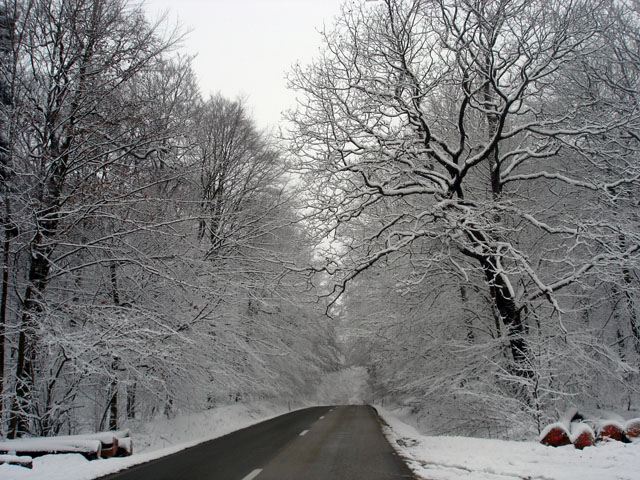
We left Northumberland in the snow as we began our trip and our return from Belgium saw a fresh snow accompany our return from the Ardennes.

belgium067

After a quiet and relaxing day, which gave us the opportunity to spend some quality time with Ben and Lucie, we decided to leave early the next day for our return home. We love Ben and Lucie as do many in the Community and many more who were privileged to meet them when they served on the house team at Nether Springs for two years until last summer when they returned to Belgium. I first met Ben when he was a student at the International Baptist Theological Seminary in Prague and the fruit of the partnership between the seminary and the Community has been a great blessing to us in many ways. It is so heartening to witness young people like Ben and Lucie, seriously seeking God and exploring what a vocation means. Trying to live by the values of faith and not buying into the secularist and consumerist addictive ideologies that promise much but do little for the soul and have little to contribute to the wellbeing of society.

IMG_7050

Now when I say we left early the next day I mean early. We set the alarm, arose and left Spa just after 4.00am! Our hope was to get round the ring road around Brussels before the rush hour and get to Calais in time for the 9.40 ferry. Snow was falling for the first hour, turning to rain as we moved north and whilst the traffic was busy, we had a very good journey and arrived at the ferry terminal to be told that we could get on the next ferry just after 8 o’clock. This was great news and a smooth crossing and an earlier than anticipated arrival in Dover enabled us to begin the journey north. By the afternoon we had reached North Yorkshire where we stopped off to see Shirley’s mum and for me to get some sleep for a couple of hours. Rested and refreshed, we made the journey home, accompanied by The Archers on Radio 4 and the football commentary of Middlesbrough’s game against Cardiff on Radio Tees, (they won 3-1). Shirley has been very gracious and generous in letting me listen to sport on the radio and television throughout our married life. She has no interest whatsoever in most sports but is happy that the rest of the members of our family both play and support our respective teams.

It is good to be home. Northumberland is our home and for the time being where we belong. We, like those who joined us on the Community Weekend, have returned home, rejoicing at the wonders he has shown us. It is been really good to have been accompanied on this trip with Shirley; a rare treat and whilst I have been busy working it has been lovely to have her company and be together on my birthday last week in Bruges.

I return home encouraged by what I have witnessed, challenged by gaining a further insight into the plight of refugees and the range of attitudes and ways different countries are taking in response to the crisis and enriched by the people whom we have been privileged to meet and share with on our travels.

And now home to a very cold but bright Northumberland it is time to resume life as ‘normal’. Emails to catch up on, more speaking engagements and lectures to prepare and an Overseers Day and Trustees weekend requiring preparation.

I am mulling over and reflecting on the trip. Like the African who said to the tourist after they’d travelled for a few days; I’m waiting for my soul to catch up with my body. It’s easy to just move on to the next thing without taking time to reflect, and for Christians, to pray about what you’ve experienced whilst travelling. The fruits of such pondering may never be shared but the principle of prayerful reflection is at the heart of the contemplative life.

There is much in African and Native American spirituality that conveys wisdom to our fast paced, frenetic, consumer orientated world. As I reflect and consider how we are responding to the refugee crisis, rooted in concerns about immigration and the economy I am reminded of the following Native American Indian wisdom story: I saw a very large house. They told me it was a bank and that the white men place their money there to be taken care of, and that by and by they got it back with interest. We are Indians and we have no such bank, but when we have plenty of money or blankets, we give them away to other chiefs and people, and by and by they return them with interest, and our hearts feel good.

Posted @ QUOTEZ.CO

Such wisdom speaks volumes and challenges our self-interest and reflects more of the values of the Kingdom of God than so much of our contemporary secularist and consumerist, post-Christendom society.

Respect for the world God has gifted us with, for other dwellers on this sacred and beautiful planet is rare. However, I have been privileged to see respect for God, one another and other human beings throughout our European wanderings and for this, I am deeply thankful to God, the source of goodness and love.

images

Posted in Uncategorized | 1 Comment

Au Revoir, Vaarwel, Auf Wiedersehen,

DAY 9     Conversations, Conclusions and Benedictions

Our final morning of the Community Weekend sees people in reflective mood as we spend sometime after Morning Office in quiet. Each person having received the Journeying with Community booklet is using the reflective exercise to think about their own individual response to the Rule of Life. After coffee we gather together to share, with listening ears and hearts to people sharing their responses and aspects of their journey of discernment.

There is a very positive feel to the sharing and the conversations that flow about how Community Companions and Friends can relate and encourage one another in both Belgium and the Netherlands is helpful. An insightful and helpful discussion ensues that will lead to further initiatives, gatherings and Community Weekends and things for us to ponder and respond to back at Nether Springs, the Community’s mother house.

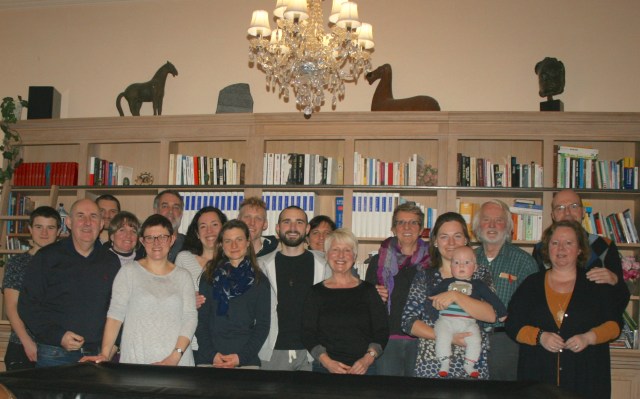
Our time before lunch concludes with sharing Midday Office. It has been great to see different Companions from four different countries lead the Offices over the weekend. We have the obligatory group photo, (see below), a momento of our time together. I explain that as the Community has grown, each Easter, when we gather, near or far, to make or renew our ‘Yes’ to God, to Availiabilty and Vulnerability, it is like taking out and looking at a family photo album. Seeing new members and being reminded of existing members of the ‘family’ is a pleasurable thing and is cause for much rejoicing and thanksgiving. We end our time over another great lunch and with a sense that we will all be together again in the not too distant future and that for many this weekend will see them entering the noviciate process in the coming months and years.IMG_8207

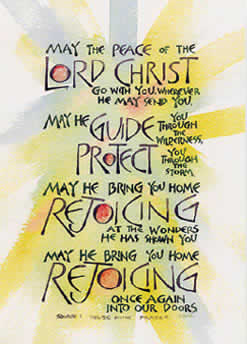
People were a little reluctant to leave; saying farewell is inevitable but carries some sadness and the enticement of further post lunch cakes delays departures further! As we prayed at the end of Morning Office, we feel confident that for each one of us who have been here, that God will bring us home rejoicing at the wonders He has shown us.

MayThePeaceFeatured   chocolate-chip-brownies

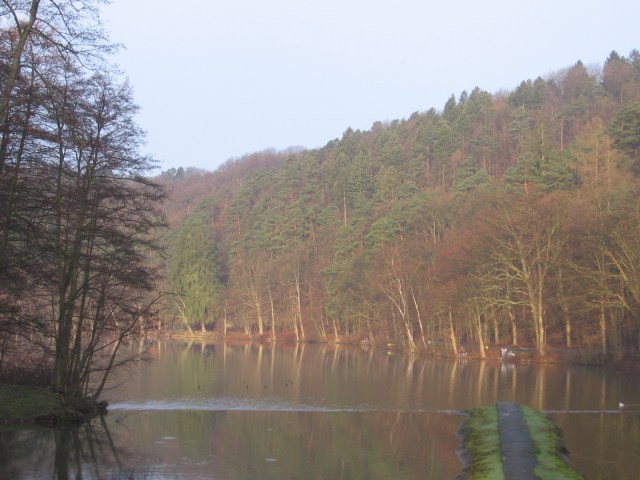
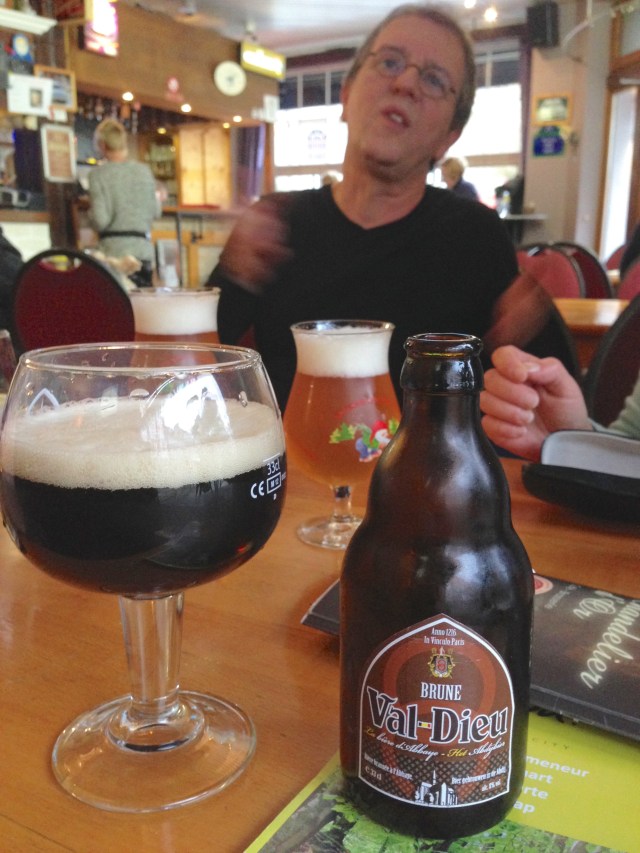
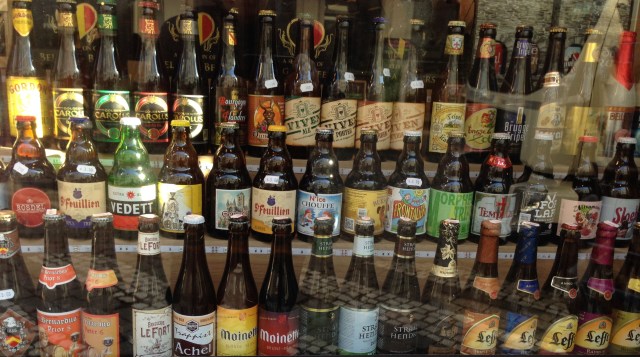
Shirley and I are staying on overnight to continue conversations with Ben, Lucie and Pascale in the morning but after a clear up, turn around of the house and mountains of washing up and laundry washing we all have some downtime. Shirley and I go down in the late afternoon to meet with our Belgium friends who have driven down from Liege to meet us in Spa. Michel and I were school exchange partners back in the early 1970’s and we reconnected with one another a few years ago when we where on a camping holiday as a family camping holiday in the Ardennes. Passing the town where I stayed with Michel and his family many years before, we took the opportunity to discover if they were still around after over twenty years of no contact. Our explorations proved fruitful and within two hours we were reunited. We have become close friends ever since and see each other at least twice a year, in Belgium and in Northumberland. This summer we will be sailing together in Scotland. After another good Belgian beer, (can recommend Val Dieu – it’s even got God’s name on it!), we walked around a nearby lake and continued catching up over a relaxed meal in the town before we bade our friends au revoir.

Lac_de_Warfaaz1

IMG_9035

Returning to the house we enjoyed a quiet hour reading and the day ended with a game of pool with Ben and his older brother Jem. After the  deep  conversations and weighty matters of the Community Weekend it was good to spend some down time pottering, relaxing and being beaten on the pool table!


Posted in Uncategorized | Comments Off on Au Revoir, Vaarwel, Auf Wiedersehen,

Explorations and Intentions

DAY 8              The serious business and intentionality with which people listened and reflected on the introduction and teaching on the history, ethos and Community’s Rule of Life was much in evidence as we spent the morning together. The folks gathered here have come to do business with God and it’s a joy to witness their resolve and to listen to their stories which have led them to explore journeying with the Community.

It was heartening and challenging to hear the experiences of our two of our Companions in the Netherlands, geographically isolated from one another and any other Community folk, share what it means to be Alone yet Together in Community.

It’s once again a privilege to witness the impact of the Community’s Rule of Life in giving coherence, a ‘language’, affirmation and encouragement to people who have been seeking God and struggling to find a place to call home. I am encouraged that the seeds sown many years ago, when we first made connections with people like Floor, are now bearing fruit in both the Netherlands and Belgium. There is a real sense that something is emerging now that will see more growth of the Community within these countries. Our Community Weekend here has not only drawn Dutch and Belgians though. It’s been delightful to welcome five Americans, three now living in Amsterdam and two in Brussels. Christine from Germany, now living and settled in London journeyed here by train and her presence as someone who last year completed the novitiate process has been very helpful.

After a full morning we enjoyed another sumptuous lunch and then relaxed on a free afternoon that saw some go for a walk around the woodlands and springs that make this place a spa town, others stayed and enjoyed the comfort of this big and beautiful home, some enjoyed a siesta and others pottered around the town.

We gathered together again for Evening Office followed by a meal during which we shared the Community’s Family Communion, Around a Meal Table. This simple yet powerful liturgy conveys the gift of community in its words, simple actions and gestures.

IMG_9017

Retiring to the drawing room, wine and beer flowed as did a conversation on the novitiate process and what it means to those who wish to explore and journey further with the Community.

IMG_9022 images-2

Aware of the gift and special place that this house is, we asked Pascale to share its story. Like some many happenings in the Community, much has been borne of struggle. Pascale and her husband always had a dream of parenting a large family; their own biological children and adopting others, particularly children with physical and mental handicaps. The vision became a reality with a move from Brussels to Spa back in the 1990’s. With a vision for getting a large home for their growing family they came to this house. An amazing, big and beautiful house with lots of grounds and garden space. The only problem was their large vision did not correspond to a large sum of money to purchase the property! The banks would not lend them the all the money required to buy the house, but determined and undeterred, Pascale’s husband, Benoit shared the situation with his Dutch employer, who miraculously lent them the remaining money needed to proceed. Several years later the company closed its operations in Belgium and Benoit lost his job. So what of the loan? His Dutch boss wiped off the outstanding debt in an extraordinary act of generosity that served the purpose of helping a family who were providing home and family to children who would otherwise have been in institutions. There were still some bank loans to pay off and the ensuing years, where employment was uncertain, were difficult but the family grew and their home here was established. Tragedy hit the family six years ago when Benoit died, (he was just in his forties) and out of the devastation and sorrow has emerged a greater resolve and determination to continue the work of making home and family for those whom society struggles with integrating. Pascale, now the mother of five of her own children and four adopted, handicapped children, plus Gauthier, one of their adopted children who died, also fosters babies on a frequent basis for a few months at a time, from when they are born until the time when suitable adoptive parents are found.

It is a joy and privilege to be part of this remarkable family, living, sharing and working together. Society has many unsung heroes, who shun publicity and prefer just to get on with living the life they feel called to. Being among such folks stands in such stark contrast to the lifestyles and values of so much contemporary western consumerism. Creating home and ‘family’, being hospitable, welcoming the stranger, being compassionate and celebrating the things that really matter ~ people, the earth we are called to tread lightly on and God, these are what matters. Material things, consumer goods, possessions, they are secondary to simply being human.

IMG_8198

We listed to the meditation for Day 19 on Friday night as we shared Evening Office and the words certainly capture the experience of this home here.

Lord, take this song and fill it with your presence

Let it bring a word of hope to weary, care-full hearts

Take this song and fill it, Lord

Fill it with yourself


Lord, take my life and fill it with your praises

Let me speak a word of peace that Jesus brings in me

Take this life and fill it, Lord

Fill it with yourself


Lord, take this place and fill it with your blessing

Let it be a haven where the poor in spirit sing

Take this place and fill it Lord

Fill it with your praise


Posted in Uncategorized | Comments Off on Explorations and Intentions

Ardennes: patisserie, community, politics and responses to the refugee crisis

DAY 7

A good night’s sleep after a long and very stimulating day we enjoyed a leisurely breakfast and bade farewell to our wonderful host and friend Ada, resolved not to make the gap between seeing each other so long next time.

IMG_8990

We travelled south and into Belgium arriving in the beautiful town of Spa in the Ardennes. I love this area and remember with fondness my school exchange visits here when I was in my teens. Staying with a Belgian family for three weeks and returning after I left school to hitchhike and reunite with friends here. Friends that I lost contact with in my twenties but have since reconnected with and who we shall see and stay with after this Community Weekend.

Three years ago we held a European Community Gathering here and since then we have welcomed Benjamin and Lucie (Belgians) to work on the house team for two years and now Daniel and Katrin and baby Paul (Germans) have returned to be part of the team at Nether Springs.

I am delighted to be back and again to receive the warm welcome and wonderful hospitality  of Pascale and her family here in Spa. Our arrival greeted first by the two lovely dogs and followed by drinks and one of the amazing tartes made by the amazing Pascale. Oh for patisseries like they have in Belgium in England….

IMG_8993

images

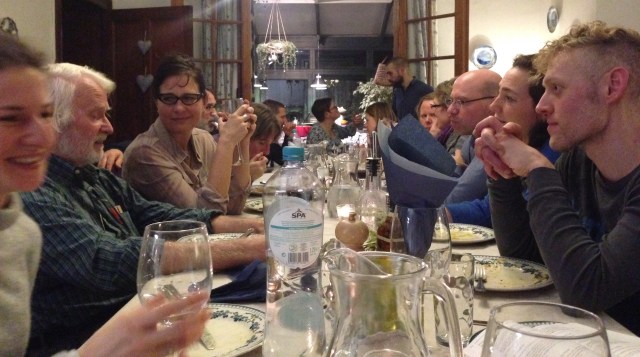
Over the course of the next few hours folks start to arrive; familiar faces, new friends exploring the Community, others wanting to become novices. It is the gift of God, the drawing together of people to a Way of Life, a ‘community of the heart’. We gather for Evening Office to officially begin the weekend and within minutes of being together, that sense of belonging is felt. We move to eat together and sit, all seventeen of us around the long dining table where conversations flow so effortlessly and easily. I hear the words of one of our early Community songs coming back to me as I observe this ‘communion’ ~ this meeting of hearts among people; God called forth a people and we responded to his call… When we started we were strangers we hardly knew each others names. Now we are brothers and sisters and we will never be the same.

We assemble again after clearing up and washing the dishes, (all part of being in Community) to share our stories, our connections and interest in Community and our hopes for the weekend. Common themes emerge; of seeking God, homecoming, living with questions, struggles, heart searching yearning for authenticity of life and faith. By the time we concluded with Compline, the Boisil Compline, I felt like the saint himself, that I was welcoming and witnessing the arrival and emergence of some remarkable younger people whom God was going to call and use for his purposes here in Belgium and the Netherlands.

Cuthbert_and_Ælfflaed_at_Coquet_Island    Unknown

Exciting days made all the more real by the events in Brussels as leaders of the European nations discussed and worked so hard to resolve the problems, issues and concerns raised by our British Prime Minister and his commitment to a European Referendum in the UK this year. As I caught the headlines late last night that an agreement had been reached in Brussels,  I anticipated what has immediately transpired; a split in the Government over whether to leave or stay in the EU. The Prime Minister has this morning fired the starting gun on the Referendum campaign. I hope he is able to win and put this sorry debate behind us all.

As we drove through Nijmegam yesterday, Floor pointed out the house where in 1944 there was an historic split, the Vrijmaking,  within the Dutch Reformed Church. I thought I had misheard him. “1944?” Wasn’t there more pressing matters facing the Dutch people and the church in the Second World War than contending and falling out about the issue concerning the regeneration of infants at baptism? That just about sums up my frustration with so many splits within the church and other organisations and my frustration with the current debate that Britain has forced in Europe. When Europe is facing one of its biggest challenges, the global refugee crisis, we have reduced it to a parochial matter of self interest. Out pathetic response to take 20,000 refugees over the next four years does little to address the global crisis or alleviate the pressure on our European partners. Last year alone over 1.2 million refugees arrived in Europe, 84%  coming from Syria, Afghanistan, Eritrea, Somalia, and Iraq, countries experiencing conflict, widespread violence and insecurity, or highly repressive governments. The idea that it is nothing to do with us what happens to these refugees is both ignorant and untrue. Our foolish engagement in Iraq and Afghanistan and our meddling in the Middle east has fuelled the fires of terrorism, war and violence across the globe and contributed to the global refugees crisis.

Just to take Syria, one of the countries worst hit by war. The civil war there is the worst humanitarian crisis of our time. Half the country’s pre war population, more than 11 million people have been killed or forced to flee their homes. Families are struggling to survive inside Syria, or make a new home in neighbouring countries. Others are risking their lives on the way to Europe, hoping to find acceptance and opportunity. And the onset of some harsh winter weather conditions makes life as a refugee even more difficult. Millions of Syrians are looking to Europe for help. Millions, not 20,000! That’s why I say our response is pathetic, lamentable and has won us no friends or favours from our European counterparts.

syrian crisis

It has struck home to us forcibly how countries like Germany, Belgium and the Netherlands are reaching out with compassion to refugees. Every place we have stayed in has evidence of help and support. Bruges, Antwerp, Dordrecht, Giessenburg, Arnhem and here in Spa, where just up the road from the house here, there is housing, education and welfare facilities for over 500 hundred refugees.

There are, thank God, some people and places who have welcomed refugees with hospitality, not hostility, where those seeking refuge are seen as people not problems.

67651


I was a stranger and you welcomed me…

Posted in Uncategorized | 1 Comment

New Monasticism and Europe

DAY 6       Zwolle: New Monasticism in a Dominican Monastic Cloister and learning more about Thomas a Kempis

Floor and I set off early to travel to Zwolle where I was a speaker at a conference looking at new monasticism. Oversubscribed, the interest in the subject has grown considerably in the last few years. I was introduced by a Dutch reformed pastor who told the conference delegates that he had first heard me many years ago speaking at a Renovare conference, which had gathered a very much smaller group than yesterday’s conference and where the subject of new monasticism would have been treated then with great suspicion. Now it is inspiring people from both Established churches and the Emerging missional initiatives throughout the Netherlands and across Europe. It was a stimulating day and one which provided lots of conversations and interactions with people who I am sure we will see much more of within our own Northumbria Community.

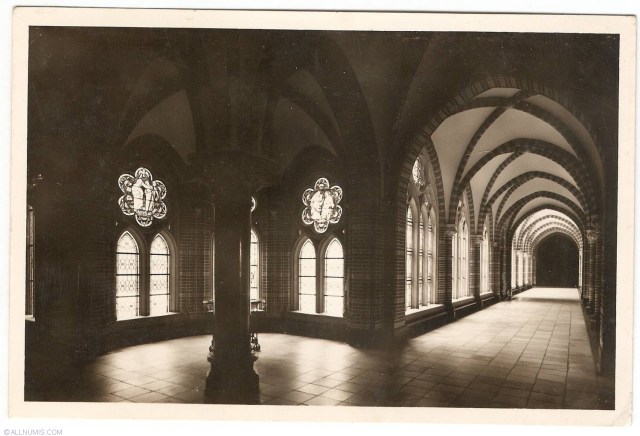
zwolle-dominican-monastery-part-of-the-claustrum_74_6966285f6ef8b7d94L

After the conference came one of those unimagined treats. Jeff Fountain, a Kiwi who came for a year and has now spent over 30 years years living in Holland, someone whom I have longed to meet since first hearing about him and his passion for Europe. He and his Dutch wife Romkje are good friends of Floor and Ada and Shirley and I spent a wonderful evening with them in their home in the grounds adjoining the YWAM base in the Netherlands. A great meeting of hearts, the six of us, joined later by their amazing foster daughter, Golien, shared our life stories and discussed some of the serious challenges as well as some opportunities facing Europe at this critical time.

IMG_8981

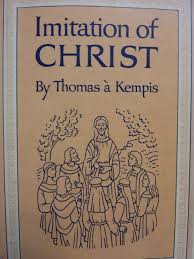
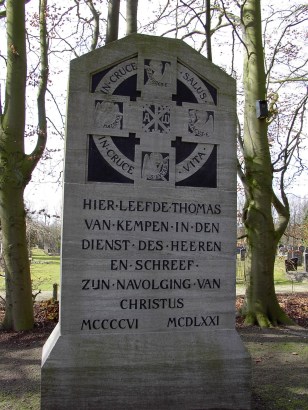
Jeff is widely known and highly respected in so many circles across Europe. He established the Schuman Centre for European Studies after serving as the director of YWAM (Youth with a Mission) Europe for over 20 years. Floor and I meet Jeff at the memorial to Thomas a Kempis, whose famous book, the imitation of Christ has influenced millions of people since it was first published in the 15th century. It was one of the first devotional books I read after coming to faith and I have continued to return most years to its rich spiritual treasures. It is a deep yet gentle book, filled with the spirit of the love of God and has brought understanding and comfort to millions of readers over the ensuing centuries and provided them with a source of heart-felt personal prayer. His meditations on the life and teachings of Jesus, written in times even more troubled and dangerous than our own, have become arguably, second only to the Bible as a guide and inspiration.
Unknown-1   Zwolle_Begraafplaats_Bergklooster_Monument_Thomas_a_Kempis

Jeff told us about the monastic movement of his day and the Order of the Common Life that Thomas a Kempis entered and which had an influence and impact in mediaeval times.

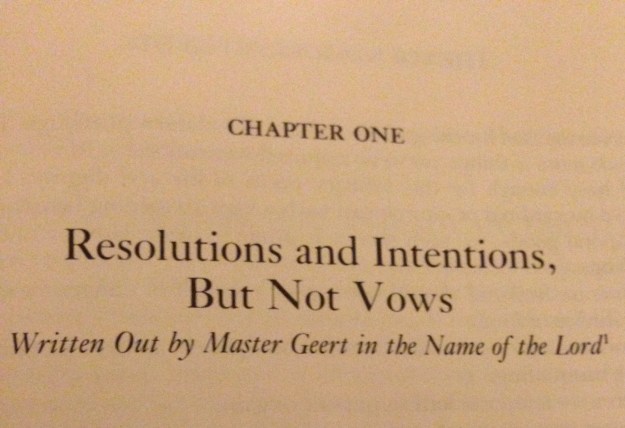
I was fascinated to read later at Jeff’s home of the founder of the Order who spoke of ‘Resolutions and Intentions, not Vows’. Reflecting on this I was reminded of our own Community’s ‘Yes to Availability and Vulnerability ‘ more akin to resolutions and intentions than vows.

IMG_8974

It was a movement that came to an abrupt end with the  Dissolution of the Monasteries that followed the Reformation and the actions taken by Henry VIII in England and his Protestant counterparts across the Continent.

The dissolution of the monasteries in the late 1530s was one of the most revolutionary events in English history. There were nearly 900 religious houses in England;  monasteries, nunneries and friaries. One in fifty men of the population of England, estimated at around 2.75 million were in religious orders. Monasticism had flourished across Europe in the 12th and 13th centuries. In Britain,  the early influences of monastic movements like the Celtic and Anglo Saxon saints had a significant bearing on the development of monasticism which came to an abrupt halt under the reign of Henry.

It’s true that many monastic orders forgot their vows and commitment to live out the gospel and got entangled and beguiled by the very things they had chosen to renounce. The money and power permeated and corrupted the monastic vocation and led to excess and a contraction of the true spirit of monasticism.

It puzzles me today that older Religious communities, who are dying but who have come to own such fine properties and estates are unable to release and gift some of the emergent new monastic  communities that are in such need of places to call ‘home’ and to give expression to their calling to the monastic life. Only yesterday I talked with a remarkably gifted young woman who is exercising an amazing ministry among young people in her city in the Netherlands. Inspired by Dominican spirituality she is seeing many young people coming to faith or having their faith energised by the spirituality of monasticism. She is operating within a monastic cloister but will the Order, now in it’s last stages of life, with most Brothers in their 80’s, gift her and her young people with the building or at least part of it? No, it will, like so many similar situations, be sold to property developers to release capital, not for monasticism but for other purposes. Market forces dictating a monastic order ~ what on earth is going on? What happened to vows of poverty, chastity and obedience? …

There are but a few stones that remain of the former monastic settlement in Zwolle where A Kempis and the Order lived. What Isis is doing in Syria today in destroying the sacred places and historical sites, is just an echo of what was carried here in the Netherlands but also throughout Europe in the 16th century, including Britain where monasteries were ‘bulldozed’ by armies under the direction, in our country of Henry VIII.

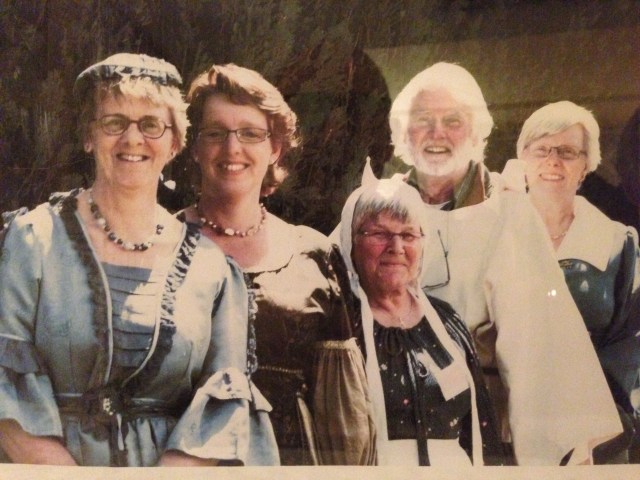
The buildings have gone but the memories and foundations of faith and the influence of gold people like Thomas a Kempis and the Order continues. Last year, YWAM here celebrated his life and we enjoyed seeing the photo of Floor taking the part of a Kempis in the festival day that YWAM organised.

IMG_8973

After dinner, Jeff reminded me again of something that the vast majority of people in Europe and certainly in Britain are unaware of, that the foundations of the European Union were laid by a Christian, Robert Schuman back in 1950. What is so dangerous in the current debate about whether Britain exits the EU is that it has become dominated by economics. Issues of peace, reconciliation and cooperation are sidelined. It’s the market economy and not morality that is determining attitudes and outcomes. The strength of sterling more important than issues of human rights, justice, mutual support and cooperation. Border controls, territorial rights, British Sovereignty are seen to be of the most paramount importance. We must retain the right to limit the number of suffering people who are seeking our help. We must at all costs retain our sovereign right to self determination even if we flout human rights and fail standards of behaviour that give dignity and esteem to others. I am not saying that the EU does not need reforming, far from it but the dangerous situation that we have created and now find ourselves in could have serious consequences for not only Europe but the wider world. I had to turn last night’s Question Time (yes, you can watch it here in the Netherlands) off because what I heard from most of the panel and certainly from the audience was an anti European stance. Such antagonism and anti European rhetoric is deeply disturbing, with so much of rooted in ignorance, prejudice and self-interest.  Of course self-interest is an understandable protective mechanism when confronted by challenges and any change but it is the ruin of relationships. Europe teeters, I believe on the brink of something very dangerous. Rarely in the course of history has Europe experienced such a period of peace and cooperation as we have known since the end of the Second World War. Yet now, I believe it is being threatened and undermined by the self interest and political posturing that is so damaging. The leaders of today’s European nations have little or no personal experience of war in their homelands and appear oblivious to the conditions and factors that led to the rise of Hitler and the Third Reich.

It’s very interesting here in the Netherlands to get other European’s views on how Britain is perceived and it is not good. One well informed Dutch delegate at yesterday’s conference told me that European leaders would try hard to help our Prime Minister, because they know that if Britain leaves it will signal other dissident groups to want to break away and that could lead to some serious consequences, not least for the poorer nations who would in turn lose their relative stability and inevitably conflict, violence and war would ensue. Have we learnt nothing from the lessons of the 1930’s when self-interest and and nationalism reared its ugly head and caused the Second World War?!    Let’s beware of Edmund Burke’s words:  Those who don’t know history are doomed to repeat it.

God have mercy upon us.

Posted in Uncategorized | 2 Comments

The Gift of Community and Hospitality of the Heart

DAY 4        Arnhem

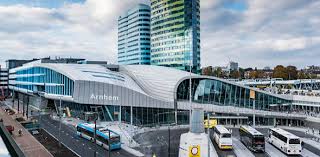
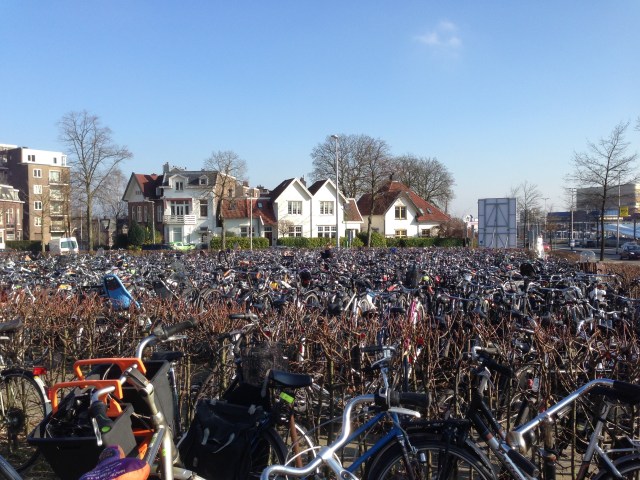
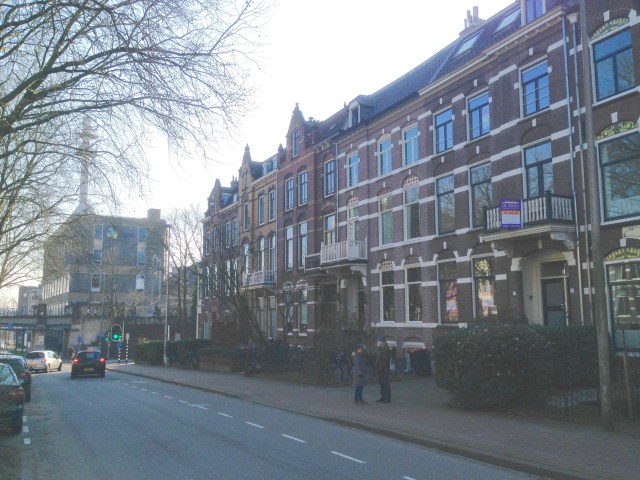
Relaxed and comfortable in the home and company of Floor and Ada, today affords us the opportunity of a travel free day. The morning is spent writing and responding to those emails that demand some attention. Leisurely meals, stimulating conversation and the ease, enjoyment and encouragement comes through the gift of friendship and Community is something to be immensely thankful to God for. After a morning looking at the screen on my laptop it was good to go for a walk down into the city after lunch and see the familiar sight of many bikes and also the amazing new Arnhem station that has taken over a decade to complete but is now one of the most amazing railway, coach and bus stations in the world.

Unknown

IMG_8951

We were delighted on our walk to view from the outside, a building that is being purchased by some Christians, some of whom are now connecting strongly with us in the Northumbria Community, to establish a ‘city cloister’. A place that offers a ‘sacred place’ in the midst of the city; a place of hospitality, prayer and contemplation, meeting and sharing. A home where some families and individuals will live and form a rhythm of life that exists for the welfare of the city and a sign of contemplation in a world of action.

IMG_8955

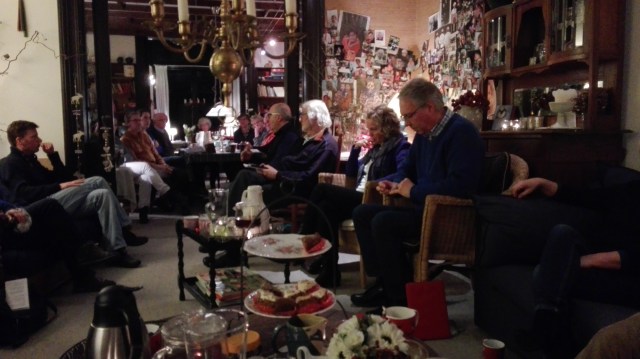
In the evening a group of people gather from the city and surrounding area to hear more about the Northumbria Community. The Community Group here, that was established many years ago, has waxed and waned but there is clearly a renaissance of interest and engagement with the Community now. It never ceases to amaze me how God continues to use the Community to bring life and meaning, coherence and a sense of belonging to so many people from so many diverse backgrounds of life and faith experiences. The sense of people, ‘coming home’ is a remarkable thing to witness.

IMG_20160217_213528

Yet again seeing the impact of people engaging and encountering our liturgies, on this occasion, the Evening Office, was a joy to behold. And you also get those little ‘God moments’ that bring a smile to your face and an assurance in your heart. In order to both share the Office and ‘model’a way of praying for one another and the world, I had brought our Prayer Pot from our home in Wooler. About 150 slips of paper in a mug and the first slip that was pulled out had the names of Floor and Ada Vogelaar, our hosts that evening! The second slip contained the names of an older couple who I had thought we might have popped in to see on our way down to Margate as we travelled south last Sunday. Time did not allow but I have been mindful of them and was so encouraged to see their names coming out of the prayer pot and praying for them. The third, the last slip bore the name Lina, pulled out by one of our guests that evening who knew her. Lina is a close friend and strongly connected with the Community. Now married, she is living in Scotland but was known to the lady who picked the slip from the prayer pot, when they met in Prague, when Lina was a lecturer and Ingeborg was a student visiting the seminary. As we prayed for the world, we passed round the glass globe of the world that I was given by the seminary as a mark of appreciation for the partnership that we has a Community shared with IBTS, (the International Baptist Theological Seminary). Sadly the seminary, primarily for economic reasons, had to move from Prague and is a considerably smaller venture, now located in Amsterdam. These little moments can appear as nothing more than coincidence but to those who have eyes to see, they are gifts of God and hints of his presence. I encouraged people as the globe was passed round to simply name a place, people or nation in the world. It was moving to hear people express the nations that were on their heart to pray for. It was wonderful to link up with Frans, a friend of the Community, who for many years with his wife and family worked in Egypt. It was there that he learned Arabic and now back home In Arnhem, he is spending so much of his time working with the many Syrian refugees that the Netherlands have welcomed and are supporting. In this city alone there are over 3000 refugees from Syria and Afghanistan. Again, our paltry response in Britain to the refugee crisis shames us and gains us no friends across Europe, only those parties that are racist and sectarian in their attitudes and policies bathes in self interest and nationalist tendencies.
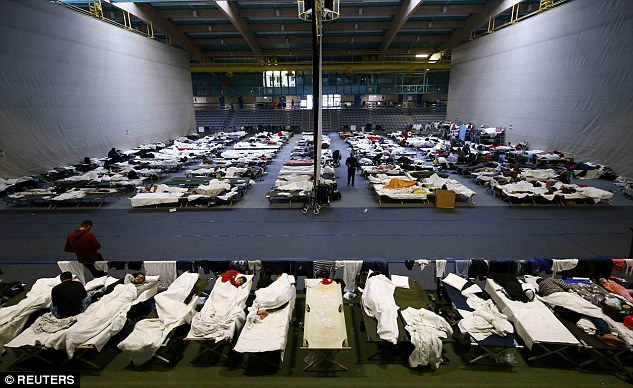
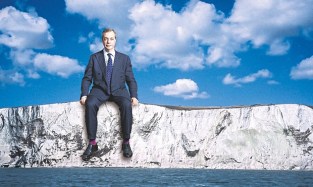
The heart of hospitality expressed so beautifully by Ada and Floor provided the context where people, many of whom came not knowing many others, arriving at strangers but going home as friends. What we have experienced on this trip in every home has been ‘hospitality of the heart’ where we have not so much been entertained but welcomed and honoured and where a true meeting of hearts and an enriching of humanity has been allowed to flourish.


Posted in Uncategorized | 1 Comment

DAY 4 Taste, Traffic, Friendship and Refugees

1155x510-bruges

If you are looking to create a set for the design of a fairytale, you should look no further than Bruges. This beautiful mediaeval town with its clean, picturesque cobbled streets and   lanes and wonderful myriad canals link enchanting market squares lined with architecturally pleasing houses, shops and churches. New buildings are built in sympathy and complement the older properties. The bright sun and blue skies masks the chill winter air, that in the shade cuts through you as the temperature is barely above freezing.

IMG_8916

We enjoy a lovely walk around this amazing city before getting in the car and making our way to meet with a good friend in Antwerp. That was the plan but serious congestion on the Antwerp ring-road sees us sitting stationary for almost an hour and having to abandon plans to get into the city. Instead, we go with the only lane of traffic that is moving, in slightly the wrong direction! and make a long detour towards our next port of call, Dordrecht. How dependent we have become on modern technology. My ever reliable Garmin satnav decided, 40 km onto the Continent to misbehave. This faithful navigation tool has guided me several times around Europe, taking me from door-to-door with perfect accuracy. I am hoping to ‘reboot it’ today but failing that it will be consigned to a Dutch dustbin! Returning to that old-fashioned habit of a road atlas and looking at the road signs, we made our way towards Rotterdam with a couple of hours to spare before meeting our good friend Victor. We pottered around the town, found a delightful coffee shop in one of the many squares and enjoyed hot chocolate and some delicious carrot cake, sitting outside until the sun went down and the icy temperatures drove us to walking briskly on.

IMG_8934Taxi-Dordrecht-Schiphol-e1433617132981

We found one of the town’s many libraries. For Shirley, who runs the library in Wooler where we live, this was what a library could be if there was investment and appropriate support. This library in Dordrecht was superb; welcoming, all the latest main titles available, hot and cold drinks, internet facilities, exhibitions, displays, a hub of information, audio files, DVDs, newspapers and magazines, study facilities, desks, easy chairs and a really cool place for children and young people to sit and read. As a consequence, it was buzzing with people of all ages. How libraries could and should be at the heart of the community. Sadly you can see the day when most of the libraries, certainly in towns if not cities in Britain are closed, never to return.

We met up with Victor who has endured a torrid time with his health recently. He was in the middle of a course of radiotherapy but met us with his usual warmth, humour and welcoming friendship. We enjoyed conversation over a lovely meal in a Greek restaurant by one of the canals. I first met Victor and other Dutch friends, when they came to the Renovare conference at Bradford Cathedral many years ago. Richard Foster and I had been speaking and he, tired from the day’s commitments and this transatlantic flight retired early to bed, so I joined our Community musicians and we went out to one of the many good Indian restaurants in Bradford with our new-found Dutch friends. Victor was part of that group and immediately our hearts connected and friendship has remained through the ensuing years. He and his wife Tonny pioneered the De Spil centre for spirituality and retreats in the Netherlands. I, along with several other Companions and Friends of the Community have spent many happy times visiting, speaking or sharing there. Victor has since given over the work to others, the centre has moved and like us a few years ago, those who are leading the work now are facing the prospect of finding a new location as the site that they currently occupy, in the grounds of the convent is being sold to property developers.

IMG_8938

In talking to Victor we were delighted to hear that the response of the majority of Dutch people to the plight of refugees was one of welcome and support. It is not only in Calais that refugees are living in camps, such settlements are seen all over Europe. What we are picking up here in conversation with people is how pathetic that think our British response is to the refugee crisis. It has made us feel quite ashamed and also angry at how our government and particularly the media is distorting facts and perverting both the course of justice and damaging relationships with our European counterparts. The fact that we are willing to take 20,000 refugees over the course of the next 5 years is derided by those who are shouldering much more of the burden than we are in Britain. In the course of 24 hours, here in the Netherlands we have heard of people acting with compassion, laying aside self-interest and responding to the human crisis that is a world crisis, which, being an island, we can try to run away from, but in so doing we damage relationships and our reputation in the world. Here in the Netherlands, the old De Spil, which Victor founded, is hoping to house asylum seekers. In Amsterdam, the mayor has initiated a policy that has welcomed Syrian refugees. Many of them, highly qualified, and now working as volunteers in care homes, helping practically the poor, vulnerable and marginalised in the city, helping with things like gardening, house maintenance, etc

In Arnhem, the Catholic mayor has decreed that no one should have to sleep as homeless under the bridges and railway arches in the city. The former prison on the outskirts of the city has been turned over into a welcoming reception and ‘community’ centre where refugees are helped, receive training, language classes and other means to help them integrate into their new surroundings. Citizens of Arnhem are involved in a scheme that enables them to have Syrian refugees join them at their homes for a meal. All such measures to help integrate and support people during the most traumatic period of their lives, people who’ve left homes, businesses, their family and friends, fleeing from the horrors of war.

syrian-refugees-bicycle

migrant-beds

It is heartening to see that there are people right across Europe who have not forgotten that, we are, as the Bible says our brother’s keeper and are called to welcome the stranger…. Be a friend to the widow and orphan. The haunting and challenging words of Jesus in Matthew 25:37-45 Then these righteous ones will reply, ‘Sir, when did we ever see you hungry and feed you? Or thirsty and give you anything to drink? Or a stranger, and help you? Or naked, and clothe you? When did we ever see you sick or in prison, and visit you?’ “And I, the King, will tell them, ‘When you did it to these my brothers, you were doing it to me!’ Then I will turn to those on my left and say, ‘Away with you, you cursed ones, into the eternal fire prepared for the devil and his demons. For I was hungry and you wouldn’t feed me; thirsty, and you wouldn’t give me anything to drink;  a stranger, and you refused me hospitality; naked, and you wouldn’t clothe me; sick, and in prison, and you didn’t visit me.’ “Then they will reply, ‘Lord, when did we ever see you hungry or thirsty or a stranger or naked or sick or in prison, and not help you?’ “And I will answer, ‘When you refused to help the least of these my brothers, you were refusing help to me.’

God have mercy upon us and change the hearts and minds of those who want to play the Little Britain card; it is ruinous, racist and I believe an abomination in the eyes of the Lord.

2560

I am becoming increasingly concerned by the influence of the media in all these matters. News headlines and stories that are nothing more than fabricated lies but that serve the purpose of stirring nationalism, fuelling racism and poisoning attitudes towards refugees and asylum seekers. Take for example the headline news stories on the BBC, picked up by everyone but two of our National newspapers on New Year’s day. The headlines declared that refugees had sexually assaulted and raped women in Cologne on New Year’s Eve. The truth is beginning to emerge. The facts are these that just three of the fifty three suspects who were arrested in connection with such attacks, were refugees, two Syrians and one Iraqi. Will that be widely reported? Of course not. Let’s not be deluded into believing the lie that we have a “free press”. We have a press in the West it is owned by people who wield power and influence, who are unaccountable, who work not for the betterment of society but for their own ends, who are in league with the major corporations, who buy power and exert pressure upon governments and other agencies in highly undemocratic ways and influence and manipulate public opinion. The truth will rarely be told which contradicts the hysteria caused by the headlines which accused hordes of refugees of masterminding the assault. The damage has been done, a strategy that has been labeled “demagoguery” by the Human Rights Watch director Kenneth Roth. A strategy that induces hatred and opposition to any moves to welcome refugees and asylum seekers. A strategy being used so successfully by the likes of Nigel Farage, who is given more air time and media coverage than any other Opposition spokesman. Don’t get me started!

nigel-farage-white-cliffs-011

We bade our farewell to Victor, hoping very much to see him at Nether Springs at Easter and made our way across to Arnhem in the east of the Netherlands, to the home of our good friends Floor and Ada. It is lovely to be back here with them. Shirley and I have been here and enjoyed their company on several occasions and we are looking forward to being based here for the next three nights.

It is -3C with the prospects of dropping down to -7C during the night. Thanking God for the comfort of a warm and welcoming home here we are mindful and praying for those in the refugee camps.

Refugees-complain-about-poor-living-conditions-inside-camps-354347


Posted in Uncategorized | 1 Comment

On the Road Again

DAY 1       IN THE BIG MOTHER HOUSE           Saturday 13th February

I’m here at Nether Springs to talk and facilitate a discussion on our Rule of Life with Companions on retreat and those on the house team. We conclude our discussion by sharing Midday Office and then cutting a cake to mark the 5th anniversary of our coming to Acton Home Farm. Five amazing years which has seen the Community settle into our wonderful new mother house, grow in many remarkable ways and make transitions that have deepened and developed the Community in so many significant ways. Before we blew the candles on the cake out, each in turn gave thanks to God for something related to Nether Springs. I gave thanks to God for the young people who he had brought to live and work at our mother house in these recent years. The prophecy that Dave Hay and I received from Jean Darnell back in 1992 was now being fulfilled as God was bringing young people from the nations to come to us in Northumbria. Catherine, one of the younger folk who God has brought to us, who leads the team then assured me of the team’s prayers as tomorrow I will be leaving for the Continent. May we return home rejoicing at the wonder he has shown Shirley and I on our travels.

ea402_503888132

DAY 2        FRIENDS and COMPANIONS REUNITED

Setting off and driving through the snow, we had a very pleasant and smooth journey down to Margate where we stayed the night with John and Sue Richardson. Picking up where we left of, friendship rekindled, ease of conversation we caught up on family news and happenings since we last were together. I have always admired the way John has woven our Community’s ethos and liturgies into the fabric of not only his own life but of the various contexts in which God has called him; inner city when he was Dean of Bradford Cathedral, ‘Minster Ministry’ from Wye Abbey and the benefice and in recent years in a tough suburban and seaside setting of Margate, where over 2,500 people pass through the doors each week at the Trinity Parish Centre, many victims of a broken society, wounded and seeking a safe place and God’s healing and restoration.

IMG_8872

We arrived on the day when John announced that he was moving onto pastures new. After Easter he will taking up the post of part time Assistant Priest in the Romney Marshes with eight parishes and he will also minister as the Chairman of Aquila, the Diocese of Canterbury Multi Academy Trust, continue as Chairman of Mildmay Hospital in London and spend more time in mentoring new priests. He feels that the call to the Marshes, to a church that is one of the oldest in Kent, is very much to repair the broken altars and restore the ancient ruins. His continuing role in healing and deliverance ministries will no doubt be exercised in an area which is wick with witchcraft and dark religious and occult practices.

I love the diversity that exists in our Community; people and the places where God has called us to live and work.

A glance at the shipping forecast indicates a rough Channel Crossing in the morning; Force 6 gusting 8 later….

DAY 3           BEAUTIFUL BRUGES

bruges  Vitrine_de_la_pâtisserie_L._Bourbon_à_Brive-la-Gaillarde,_France   Bruges-night_2382110b   IMG_8897

Sunshine, stormy seas, not as rough as anticipated but nevertheless providing a challenge when walking about the ship we arrived safe and sound in Calais and headed straight off to Bruges where are spending the rest of the day and night celebrating my birthday. It was rainy as we disembarked and headed towards Belgium, passing the Calais Jungle, mindful of the suffering and hardship of those camping out in testing conditions on the outskirts of the town, where hostility rather than hospitality has been mostly their experience. Prayed for Andy, Anna, Joel and Martha Raine form our Community who are there this week with a team from the North East.

By contrast we arrived in beautiful Bruges. With Valentines Day yesterday and my birthday today, spent with my wife, what more romantic and inspiring than to be in a place that looks like a backdrop for a fairy tale? It’s a beautiful, pristine medieval city with its cobblestone streets leading to countless historical, architectural and artistic wonders. Bathed in the afternoon sunlight we wandered around the stunning and ornate houses that line the city’s canals.  The whole city emanates an appreciation of the past, a love of the present, and enthusiasm for the future. We are staying in a delightful small hotel just off the city centre near one of the canals.

And quite by surprise, we discovered just one minute from our hotel a bar that serves meals, great dark beer and is screening the Middlesbrough match against Leeds. God is good even though it was only a draw!

Tomorrow ~ meetings with Robin Christoff in Antwerp and linking up for a meal with good friends Victor and Tonny in Dordrecht before moving onto Arnhem.


Posted in Uncategorized | 1 Comment

A Comedy or Horror Show

Donald-Trump_3372655b

I’m not sure if we are witnessing a comedy or a horror show when it comes to watching the American primaries. There is something within me that holds onto the belief that America would never elect Donald Trump as its president. I hope and pray for the sake of the world that this will never happen. I’ve moved beyond being both amused and appalled by the character of the man to a concerned disdain for the methods he is employing to gain support for his campaign. He is a skilled political entertainer and he is putting on a great show which is wooing the crowds. My disdain over his character and conduct is matched by my despair of those who support his campaign. I believe he is arguably the most dangerous presidential candidate that the States has ever known. He is a racist, sexist, bullying, narcissistic demagogue. He lies constantly yet with such fluency that he beguiles his audiences into thinking that he is “telling it like it is”.

He is not a joker, nor is he a clown. He is a man on a mission and he has the money and media to realise his ambition to rule America. His career is littered with trouncing anybody who opposes him and he has endured bankruptcies and numerous scandals, unscathed.

He is shameless. In a country where the misdemeanours of presidents and presidential hopefuls has been highlighted and brought down people, it is incredible that Trump is able to continue as he does. Shame is often the most powerful restraint on politicians and others in the public arena. Most politicians carry a sense of shame when they’re exposed as liars and cheats. Not so Trump. He operates without shame or any restraint. It’s what allows him to behave the way he does, hold the attitudes he has and say the things that others find repugnant.

He has risen to prominence and gained support by playing upon the fears, suspicions and mistrust of the American nation. He has called Mexicans rapists and killers, and called for a “total and complete shutdown of Muslims entering the United States”. In one of the debates he openly accused one of the women candidates of, “being on her period”. When speaking to his supporters he denounced the questions asked by Serge Kovaleski the Pulitzer Prize-winning journalist of the New York Times who happens to suffer from arthrogryposis, a condition which limits mobility in some of the joints. Whilst recalling the interview to his supporters, Trump contorts his face and limbs in a mocking impression of the disabled journalist and elicits laughter.

trumph2

Appalling behavior. If this was just some entertainment, an outspoken and outrageous guest on something like the Jonathan Ross show, it would be mildly amusing but this is not entertainment. This is politics and what goes on in the US presidential elections will impact the rest of the world.

He employs the tactics that were deployed by Hitler in the 1930s and Putin in Russia today. Trump at one of the recent television debates was asked about his admiration for Putin, someone who, “kills journalists, political opponents and invades countries” he said, “At least he’s a leader, he’s running his country, unlike what we have in this country.” He later went on to clarify that he doesn’t actually condone killing journalists, but, speaking to the audience said, “I do hate”. Capitalising on people’s fears, each of these evil demagogues use their ability to harness anger, resentment and hatred.

ozoneviews.com

His rhetoric is vicious and his policies are deeply partisan. It’s everybody else’s fault. He offers very little solutions other than to blame others. The way he has described Muslims, Mexicans, migrants, basically anybody who doesn’t agree or hold the same views as him as, “villains”. His message to the American public is not one of helping its citizens but rather about taking on and hurting its ‘enemies’. His outrageous statements are stirring pots of hatred and hostility both in States and in the wider world. As the French Prime Minister Manuel Valls said, “Trump, like others, stokes hatred”. As Chemi Shalev, the Jewish newspaper columnist remarked, “For some Jews, the sight of thousands of supporters waving their fists in anger as Trump incited against Muslims and urged a blanket ban on their entry to the United States could have evoked associations with beer halls in Munich a century ago”.

Donald Trump’s campaign is anything but entertaining or amusing. It is not a comedy but a potential tragedy. I pray that America will wake up to the dangers of this incendiary, vile and of noxious pretender.

Unknown-2  Unknown

In contrast, someone whom I have hailed in previous blogs as one of my great heroes is the former President of the United States Jimmy Carter. Portrayed as weak, a peanut farmer, a country hick, he was in fact one of the most intelligent presidents the United States has possessed. A man of remarkable intelligence, a Nobel Peace Prize winner, he possessed genuine humility and compassion and is known throughout many countries in the world as a godly, compassionate man of peace. I was privileged to meet him a few years ago at the Baptist World Centenary Congress in Birmingham and he exuded these qualities. He is a prolific writer, linguist and among his many interests, a learned devotee of the poet Dylan Thomas. I read his latest book, A Full Life, recently, which contains his memoirs and reflections of life now that he has turned 90. Many commentators at the time blamed his handling of the Iran hostage crisis as a major factor in his failure to win a second term of Office. Someone who had so brilliantly improved American foreign policy, building good relations with former enemies, furthering the cause of humanitarian aid in Developing Nations, bringing justice and equal rights to all American citizens, presiding and facilitating the coming together of Arab and Jew, Egypt and Israel at the Camp David Peace summit. A closer look at what was going on reveals that far from being weak, he was a man of great strength and principle and perhaps it was his manifesto and proposals for a second term in office that really contributed to his downfall. Among his proposals were measures to put a cap on the amount of money that could be used by political parties in the run-up to elections. He also sought to curb the pervasive influence of large corporations buying political power.

He envisages a day when a powerful, wealthy media mogul would buy their way into the White House ~ prophetic warning or what!

The same fate that Carter experienced at the hands of the media befell Neil Kinnock, who with less than one week to polling day back in 1992 held a six point lead in the opinion polls, with most of them predicting Labour win. If elected, he promised to curb the power of the media, (brandered by some as a threat to civil liberties and press freedoms).

quote-compassion-is-not-a-sloppy-sentimental-feeling-for-people-who-are-underprivileged-or-neil-kinnock-53-36-19

Kinnock said that under a Labour government he would restrict foreign ownership of the media, which would have instantly disqualified people like Rupert Murdoch, a US citizen, from owning British newspapers or UK television companies. Threatened by such measures and the prospects of a Labour win, Murdoch and the editors of the tabloids, (many of whom he owned), except for the Daily Mirror, got together to coordinate their attacks in the last week running up to the election upon the Labour Party. A strategic plan to ‘demolish’ Kinnock was executed and within days he lost the confidence of the electorate, with the lies and persuasion of the media, coordinating together to attack him as a person in the most vitriolic media campaign witnessed in post-war political history. Over forty times in the last week in the run-up to the election he was referred to as, ‘the Welsh Windbag’. True, he could be verbose but he was one of the most eloquent and passionate politicians in Westminster. On election day itself came the Sun’s infamous front-page exhortation: ‘If Kinnock wins today will the last person to leave Britain please turn out the lights”. Labour lost and the jubilant Sun newspaper boasted of its achievements. A front-page headline; ‘It’s The Sun Wot Won It’. I may take up the influence of the media today in a future blog.

images-1

For Jimmy Carter, he fears that America would become in many ways ungovernable because of the increasing partisan nature of contemporary politics, something we are not immune from here in Britain now. Carter pays credit to Ronald Reagan who defeated him in the race to the presidency. Commending Reagan for working with Tip O’Neil for the well-being of the union that is the United States. Reagan and O’Neil were poles apart politically, representing opposite extreme wings of their respective Republican and Democratic parties, yet respectful of one another and with the common cause of serving the nation, they worked well together.

It has been Barack Obama’s lack of support and cooperation from those in the opposition, Republican Party, that has held him back from delivering on the potential and promises he made. ‘Yes we can’ has been replaced by, ‘No you won’t’ by those who have abused their political power to thwart his presidency.

I’ve just been watching Michael Portillo’s Great American Railroad Journeys programme and his last stop in tonight’s episode was at Gettysburg, the famous battlefield of the American Civil War, where in 1863, President Abraham Lincoln made his historic and momentous speech:

Gettysburg Address

19th November 1863: Abraham Lincoln, the 16th President of the United States of America, making his famous ‘Gettysburg Address’ speech at the dedication of the Gettysburg National Cemetery during the American Civil War. Original Artwork: Painting by Fletcher C Ransom (Photo by Library Of Congress/Getty Images)

Four score and seven years ago our fathers brought forth on this continent, a new nation, conceived in Liberty, and dedicated to the proposition that all men are created equal.

Now we are engaged in a great civil war, testing whether that nation, or any nation so conceived and so dedicated, can long endure. We are met on a great battle-field of that war. We have come to dedicate a portion of that field, as a final resting place for those who here gave their lives that that nation might live. It is altogether fitting and proper that we should do this.

But, in a larger sense, we can not dedicate — we can not consecrate — we can not hallow — this ground. The brave men, living and dead, who struggled here, have consecrated it, far above our poor power to add or detract. The world will little note, nor long remember what we say here, but it can never forget what they did here. It is for us the living, rather, to be dedicated here to the unfinished work which they who fought here have thus far so nobly advanced. It is rather for us to be here dedicated to the great task remaining before us — that from these honored dead we take increased devotion to that cause for which they gave the last full measure of devotion — that we here highly resolve that these dead shall not have died in vain — that this nation, under God, shall have a new birth of freedom — and that government of the people, by the people, for the people, shall not perish from the earth.

When I look with horror at the escapades of Donald Trump, I think how Lincoln must turn in his grave, that his desired legacy for the United States should have become a media inflamed, monetary gained and corporation determined election shambles….

God bless America because the likes of Donald Trump sure won’t!

Some may ask why do we need to concern ourselves with such issues? Well, I believe it is an imperative for all who claim to follow Christ, to pray and reflect, discern and act when faced with injustice, exploitation and evil.

Unknown

The Northumbria Community derives huge inspiration from the writings of Dietrich Bonhoeffer. It was as a German pastor and theologian that he perceived the pervasiveness and threat to human life in society that Hitler and Nazisim posed. When the pro-Nazi German Christian party won elections in 1933, Bonhoeffer quickly opposed the anti-Semitism of the Nazis. His resistance to Hitler and the Nazi regime included his support and participation in the Confessing Church, along with other theologians like Karl Barth and Martin Niemoller. It was Niemoller who wrote his famous poem;

Pastor-Martin-Niemoller


Figures like these are reminders to us all to be watchful about the happenings all around us. Bonhoeffer, regarded by many as the founder of new monasticism, bears witness in his life and death to his commitment to Christ and his opposition to the evils of Nazism.

We do well to remember the testimony of his life and speak out in Christ’s name, lest evil flourish.

As Edmund Burke, the Irish philosopher and politician said ; The only thing necessary for the triumph of evil is for good men to do nothing.


Posted in Uncategorized | 3 Comments